
Categories
Blog Blog Service

Don’t Drop the Ball: Why Working with One Lift Maintenance Company Makes Life Easier

When it comes to property management, most building owners and facilities managers have enough on their plate without coordinating multiple contractors, managing different renewal dates, chasing reports, and trying to work out who’s responsible when something gets missed. Yet that’s exactly the situation in many organisations.

One lift maintenance company carries out servicing, another performs LOLER examinations, a separate telecoms provider handles SIM cards for the GSM’s, remote monitoring of the lift may be handled elsewhere, release training and specialist surveying comes from someone different again. Before long, keeping everything organised becomes a juggling act… and as every juggler knows, all it takes is one missed catch for the whole performance to come crashing down.

Too Many Lift Suppliers, Too Many Opportunities for Something to Be Missed

Lift compliance and performance rely on a range of services working together.

A routine lift maintenance agreement keeps equipment operating safely and reliably. LOLER examinations are a legal requirement. GSM units require active, managed SIM connections for emergency communications. Remote monitoring provides early warnings of developing faults. Pit cleaning helps maintain a safe environment. Release training ensures site personnel know what to do if passengers become trapped.

Each service is important in its own right, however, when different lift service provide is responsible for different elements, it becomes surprisingly easy for something to slip through the cracks.

Questions start to arise:

  • Has the LOLER report been actioned?
  • Is the emergency autodialler still connected?
  • When is the next LG1 test due?
  • Who is responsible for arranging release training?
  • Has the pit hygiene clean been completed this year?
  • Are recommendations from surveys being followed up?

Managing multiple lift providers often creates more administration, more communication, and more opportunities for misunderstanding.

A Complete Lift Management Solution

At Ideal Lifts Service, we believe there is a simpler way.

Rather than asking our customers to coordinate numerous contractors, we provide a comprehensive range of lift services as a single trusted partner.

Our complete service offering includes:

With everything managed through one lift service provider, customers benefit from a joined-up approach where all aspects of lift performance, safety and compliance are considered together.

Better Communication, Better Accountability

One of the biggest advantages of a single lift service provider is clarity.

When multiple contractors are involved, responsibility can sometimes become blurred. If there is an issue, determining who owns it can be challenging, and costly when every second counts.

With a lift maintenance agreement with one provider, there is a single point of contact and a clear line of accountability.

Need an update on a compliance issue identified on a LOLER report?

One call

Want to check the status of a remote monitoring installation?

One call

Need expect advice on an ageing lift that’s becoming increasingly unreliable?

One call

Instead of spending time coordinating suppliers, facilities teams can focus on their buildings and occupants.

Joining the Dots

Perhaps the greatest benefit of a fully integrated service is visibility.

For example, a survey may identify components approaching the end of their service life. Maintenance records may show increasing fault frequency. Remote monitoring may start highlighting recurring issues. Viewed independently, these pieces of information can easily be overlooked.

Viewed together, they create a clear picture of the lift’s condition and allow informed decisions to be made before minor issues develop into major disruptions. This proactive approach helps reduce unexpected breakdowns, improve reliability, and support more effective budgeting for future repairs and modernisation projects.

Saving Time and Reducing Hassle

Facilities management is complex enough already.

Managing separate contractors, purchase orders, service schedules, compliance documentation and points of contact adds unnecessary administration to an already demanding role.

By consolidating services under one lift maintenance company, organisations can often::

  • Reduce administrative burden
  • Improve visibility of compliance activities
  • Simplify budgeting and supplier management
  • Benefit from more coordinated service delivery
  • Gain quicker access to support and advice
  • Improve overall lift reliability and performance

Most importantly, it provides reassurance that the various elements of lift management are being looked after in a coordinated and organised way.

Don’t Drop the Ball

A well-maintained lift relies on many moving parts, and not just in the lift itself. Maintenance, compliance, communication systems, monitoring, training and inspections all play an important role.

When managed separately, these services can become a juggling act. When managed together, they become a streamlined, efficient process that saves time, reduces risk and helps keep lifts running smoothly.

At Ideal Lifts Service, our goal is simple: we provide everything you need to keep your lifts safe, compliant and reliable, all under one roof because when it comes to property management, nobody wants to be the one who drops the ball!

Categories
Blog Blog Service

How Long Do Lifts Last? A Guide to Lift Lifecycles and Modernisation Budgeting

One of the most common questions we hear from building owners, managing agents and facilities managers is: “How long do lifts last?”

The answer is often longer than many people expect. A professionally maintained lift can frequently remain in service for 25 to 50 years, with some installations continuing to operate beyond this through carefully planned modernisation and component replacement.

However, while the lift structure itself may last many decades, many of its critical electrical and mechanical components will require significant investment long before the entire lift reaches the end of its life.

Understanding the lifecycle of a lift is essential for planning maintenance budgets, avoiding unexpected breakdowns and protecting the long-term value of your building.

A Lift Doesn’t Have a Single Expiry Date

Unlike many building systems, lifts rarely reach a specific age where they automatically need replacing.

The lift lifespan depends on factors such as:

  • Usage levels
  • Quality of the original installation
  • Environmental conditions
  • Maintenance standards
  • Availability of spare parts
  • Technological obsolescence

A lift serving a small residential block may remain reliable for many years beyond its expected design life, while a heavily used commercial lift could require major upgrades much sooner.

The more important question is often not how old is the lift, but rather:

  • Is it reliable?
  • Are spare parts still available?
  • Are maintenance costs increasing?
  • Does it still meet modern expectations and safety standards?

What Does LG1 Mean for Older Lifts?

As lifts age, their condition should be assessed more closely.

Industry guidance, known as LG1 (Guidelines on the Supplementary Tests of In-Service Lifts), provides a framework for additional examinations that may be recommended by a Competent Person during a thorough examination, particularly where lift components have been in service for many years. These tests help identify hidden deterioration, wear and fatigue that may not be visible during routine inspections.

For building owners, LG1 testing can provide valuable information about the condition of ageing equipment and help inform decisions on lift repair, modernisation or replacement. Rather than waiting for failures to occur, it supports a more proactive approach to asset management. [safed.co.uk], [leia.co.uk]

The 15 to 30 Year Investment Window

While the lift car, shaft equipment and landing doors may continue operating for several decades, certain key systems typically require replacement between 15 and 30 years.

Control Systems

The controller is the “brain” of the lift, managing movement, door operation, safety circuits and diagnostics. After 15 to 25 years, some controllers can become increasingly difficult to support due to obsolete electronics and diminishing spare part availability. Rising breakdown frequency, longer repair times and recurring faults are all common indicators that a lift modernisation should be considered.

A controller replacement can often deliver substantial improvements in reliability, fault diagnostics, remote monitoring capability and overall performance without the cost of a complete lift replacement.

Hydraulic Systems

For hydraulic lifts, the hydraulic package represents another major lifecycle investment.

Components may include:

  • Power unit incorporating the pump and motor assembly
  • Hydraulic valve block
  • Hoses
  • Ram seals

As systems approach 20 to 30 years wear, efficiency losses and component obsolescence can make refurbishment or replacement the most cost-effective choice.

Modern hydraulic equipment can improve reliability, reduce energy consumption and provide smoother operation for passengers.

The Cost of Waiting Too Long

Many building owners understandably continue repairing a lift while it remains operational. However, there is often a tipping point where reactive maintenance becomes more expensive than planned investment.

Warning signs include:

  • Increased breakdowns
  • Repeated faults
  • Rising maintenance expenditure
  • Extended downtime
  • Difficulty in sourcing parts
  • Growing lift user complaints

Planning modernisation works before these issues become critical usually results in lower overall costs and less disruption for building occupants.

A Sensible Budgeting Strategy

We generally recommend adopting a long-term lifecycle approach:

0-15 Years
Routine lift maintenance and statutory inspections.

15-25 Years
Assess the condition of control systems, parts availability and reliability trends. Consider LG1-related recommendations arising from thorough lift examinations or set intervals.

20-30+ Years
Budget for major modernisation works, including controller upgrades and hydraulic system replacement where applicable. Establishing sinking funds or reserve budgets during this period can help avoid unexpected capital expenditure and spread future lift modernisation costs more effectively.

The Bottom Line

A well-maintained lift can often provide reliable service for 25 to 50 years or more. However, owners should expect significant investment in critical systems during the 15 to 30 year period, particularly control equipment and hydraulic systems.

By monitoring condition, acting on LG1 recommendations where applicable, and budgeting for modernisation in advance, building owners can extend lift lifespan, improve reliability and avoid costly surprises.

Whether your lift is approaching 15 years or already showing signs of age-related reliability issues, Ideal Lifts can provide condition assessments, modernisation advice and long-term budgeting guidance to help you plan with confidence.

If you’re planning ahead for an ageing lift or would like to learn more, contact our expert team. We’re always happy to help.


Categories
Blog Blog Service

What to Do If You’re Stuck in a Lift: A Practical Safety Guide for Passengers and Building Managers

Getting stuck in a lift can be an unsettling experience. While modern lifts are designed with multiple safety systems and being trapped is rarely a dangerous situation, it can still cause anxiety for passengers and create a challenge for those responsible for the building.

Whether you’re a lift user, facilities manager, managing agent, landlord or duty holder, knowing what to do during a lift entrapment can help ensure a safe and efficient outcome. In this guide, we’ll explain the correct procedures for passengers, the responsibilities of building managers, and how simple measures such as clear passenger information and emergency release training can make a significant difference.

If You’re Trapped in a Lift: Stay Calm

The most important thing to remember is that, whilst being trapped in a lift can be unsettling, situations where passengers are genuinely in danger are extremely rare.

Modern passenger lifts incorporate numerous safety devices designed to prevent uncontrolled movement. In many cases, a lift will stop because a safety system has detected an issue and safely removed the lift from service until it can be inspected and repaired.

Although being confined in a lift can feel uncomfortable, passengers are usually safest remaining inside the lift car and following the established emergency procedures.

What Passengers Should Do

Use the Emergency Alarm or Autodialler

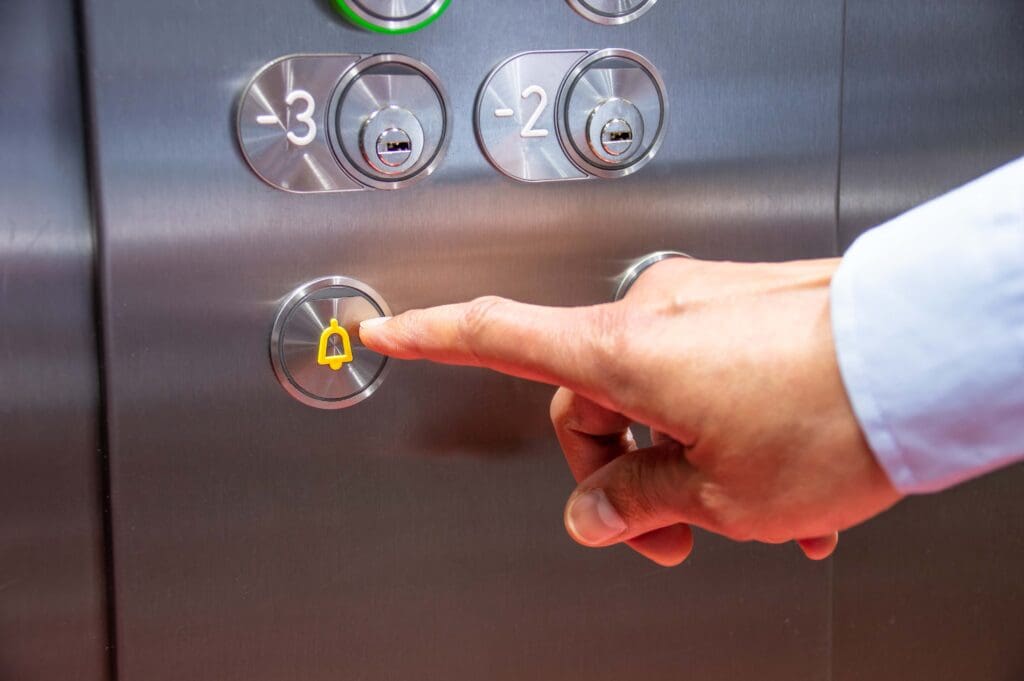
All passenger lifts should be fitted with a functional alarm button, and most also include a two-way communication system or autodialler.

Press the alarm button and follow any instructions provided. This should connect you to a monitoring centre, building representative or lift maintenance provider who can arrange assistance.

If contact is established, be prepared to provide:

  • Your location, and any identifiers available visible inside the lift such as the serial number
  • The number of people in the lift
  • Any medical concerns
  • Any information that may help responders assess the situation, e.g. which floor were you travelling from and to

Remain Inside the Lift

Passengers should never attempt to force open the lift doors or climb out without assistance.

Even if the doors can be partially opened, the lift may not be level with the landing, creating a potential hazard. The safest option is to remain inside the lift and await assistance.

Use Your Mobile Phone as a Backup

If you have mobile signal, you may wish to contact building management or a colleague. However, the lift’s emergency communication system operates under battery-backup conditions and should always be your primary method of raising the alarm.

Reassure Other Passengers

Remaining calm can help reduce anxiety for everyone involved. If others are trapped with you, reassuring them that help is being arranged can make the situation far less stressful.

Why Clear Passenger Instructions Matter

One of the biggest causes of panic during a lift entrapment is simply not knowing what to do.

Clear instructions inside the lift can help passengers understand:

  • How to call for assistance
  • What will happen next
  • Who they are speaking to
  • Why they should remain inside the lift
  • That help is on the way

Providing this information not only improves the passenger experience but can also help prevent unnecessary panic and inappropriate attempts to leave the lift without assistance.

Bespoke Trapped Passenger Notices from Ideal Lifts

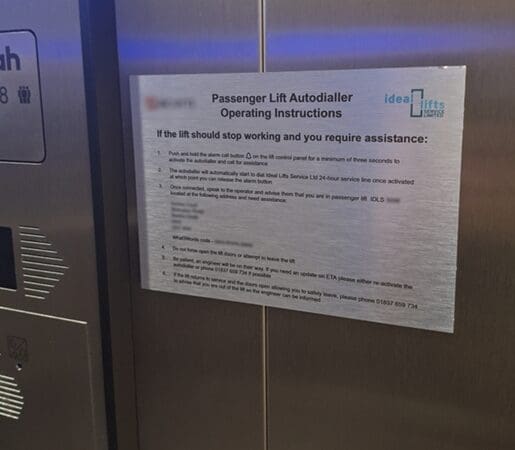
At Ideal Lifts, we recommend fitting a dedicated in-car notice advising lift users of the procedure for calling for assistance.

We can supply and install a heavy-duty brushed stainless steel notice providing clear autodialler instructions and reassurance for trapped passengers. These bespoke notices can include both your company logo and the Ideal Lifts logo, creating a professional and site-specific solution.

Following acceptance of an order, our graphic designer will prepare a bespoke design for approval before manufacture, ensuring the finished notice is tailored exactly to match your building and lift requirements.

Clear, professionally presented instructions can provide reassurance at exactly the moment passengers need it most.


What Building Owners / Managers Should Have in Place

Building owners and managers should ensure suitable arrangements exist long before an entrapment occurs.

Key measures include:

  • A fully functional alarm and emergency communication system within the lift
  • Regular lift maintenance and testing of lift equipment
  • Clearly documented passenger rescue procedures
  • Access to a competent lift maintenance provider
  • Clear information for lift users in the event of a breakdown

Taking a proactive approach can reduce disruption, improve passenger confidence and ensure assistance can be provided as quickly as possible.

Emergency Release Training: Creating Effective First Responders

Many organisations choose to have nominated personnel trained in lift emergency release procedures so they can act as effective first responders where appropriate.

Emergency release training equips authorised personnel with the knowledge and practical skills required to safely carry out controlled passenger releases on specific lift installations.

Training typically covers:Close up of a hand pressing the lift alarm button

  • Safe isolation procedures
  • Knowledge of lift safety systems
  • Site-specific rescue procedures
  • Communication with trapped passengers
  • Situations where a passenger release should and should not be attempted

Having trained personnel available can often reduce passenger waiting times and provide reassurance that assistance is immediately available on site while a lift engineer is travelling to attend.

At Ideal Lifts, we offer emergency release training for authorised personnel, helping customers create a safe and effective first-response capability whilst ensuring rescues are carried out in accordance with industry best practice.

When Should the Fire Brigade Be Called?

A common misconception is that the Fire and Rescue Service should be the first call whenever somebody becomes stuck in a lift.

London Fire Brigade states that it is not required to attend incidents where a person is trapped in a lift without immediate physical or medical danger. The Brigade advises building and lift owners to maintain suitable lift release arrangements, provide effective communication facilities within lifts, and ensure a 24-hour lift release service is available. [london-fire.gov.uk]

Where passengers are safe, uninjured and able to communicate, the most appropriate response will usually be through the building’s established rescue arrangements, whether that involves trained on-site personnel or a lift maintenance provider.

Of course, if a passenger is suffering a medical emergency, is particularly vulnerable, or there are circumstances that place them at immediate risk, the emergency services should be contacted without delay.

Building managers should also be aware that some fire services may recover costs for repeated non-emergency lift rescues. London Fire Brigade operates a charging scheme under which costs may be recovered when firefighters attend three or more non-emergency lift incidents at the same building within a 12-month period.

This policy was introduced to help reduce unnecessary call-outs and encourage building owners to maintain appropriate rescue arrangements rather than relying on emergency services for routine lift releases.

Final Thoughts

Lift entrapments are uncommon, but every building that operates passenger lifts should have a clear plan for dealing with them.

If you’re stuck in a lift, the message is simple: stay calm, use the emergency communication system and wait for assistance.

For building managers, preparation is key. Reliable emergency communications, clear trapped passenger instructions, effective maintenance arrangements and appropriately trained personnel can all contribute to a faster, safer and less stressful resolution.

At Ideal Lifts, we can assist with lift maintenance, emergency communication systems, bespoke trapped passenger notices and emergency release training to help ensure your building is prepared when it matters most. Contact our team to discuss the most suitable solution for your lifts.


Categories
Blog Blog Service

Smart Lifts, Smarter Maintenance: The Case for Remote Monitoring

Introduction

For many building owners and facilities managers, lift performance is no longer just a maintenance issue, it’s a business-critical priority.

When a lift goes out of service, the impact is immediate. Disruption to tenants, complaints from users, accessibility concerns, and pressure on your team all quickly follow. That’s why more organisations are looking beyond traditional maintenance models and investing in smarter ways to manage their lift systems.

A smart lift system with remote lift monitoring is one of the most effective ways to stay in control.

The Real Cost of Lift Downtime

Lift breakdowns are rarely just a one-off inconvenience. They often lead to:

  • Frustrated tenants and visitors
  • Increased demand on facilities teams
  • Emergency engineer callouts
  • Potential compliance and safety risks

In many cases, the biggest issue is not the fault itself, but the time it takes to identify, report, and resolve it.

The longer this process takes, the greater the disruption.

A More Connected Approach to Lift Maintenance

Across the facilities management sector, there is a clear shift towards greater visibility and real-time insight into building systems.

Facilities managers are under increasing pressure to:

  • Improve service reliability
  • Reduce downtime
  • Deliver better value from maintenance contracts
  • Provide clear performance data

Remote monitoring supports all these goals by affording instant visibility into what’s happening with your lifts at any given time.

What is Remote Lift Monitoring?

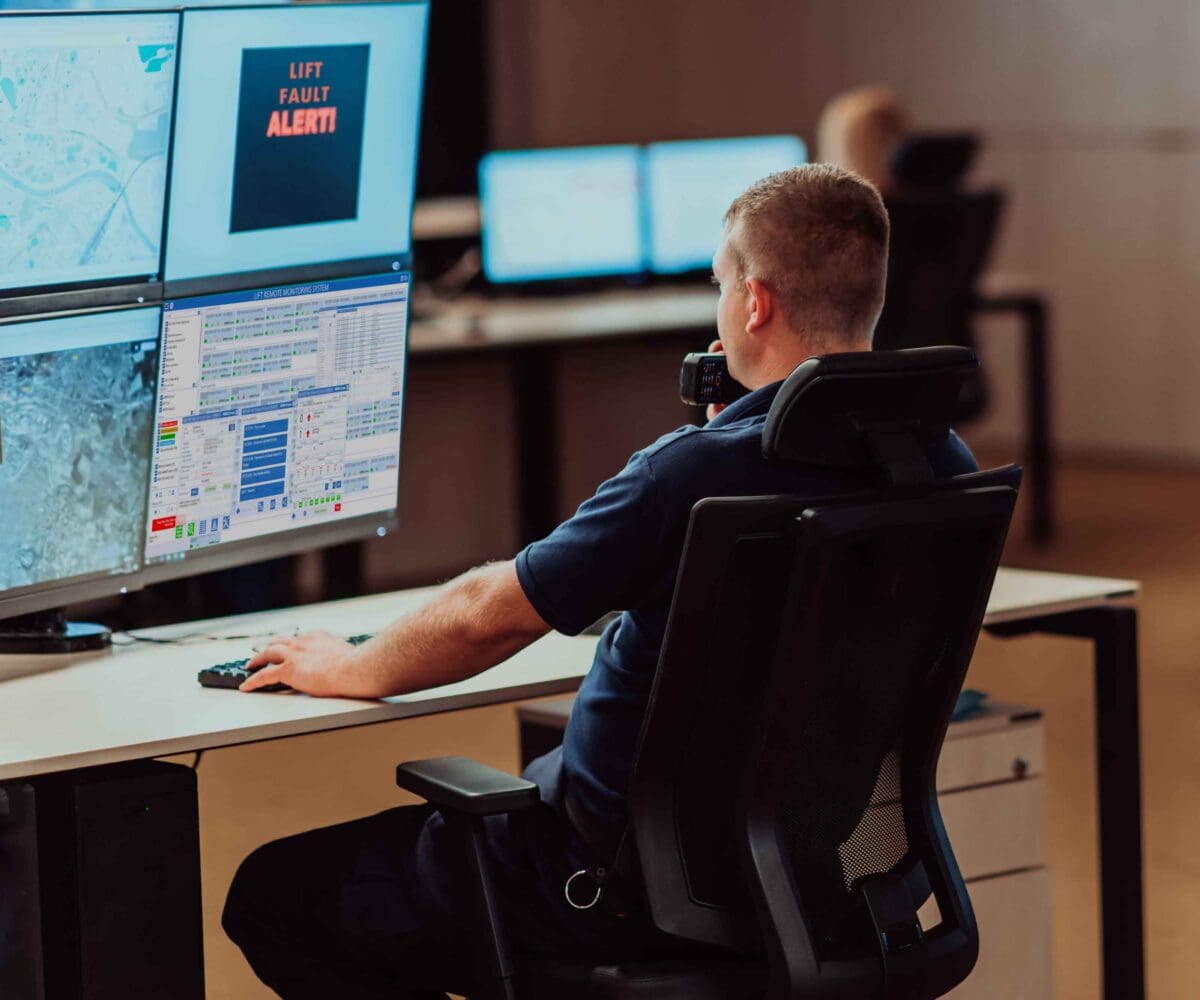
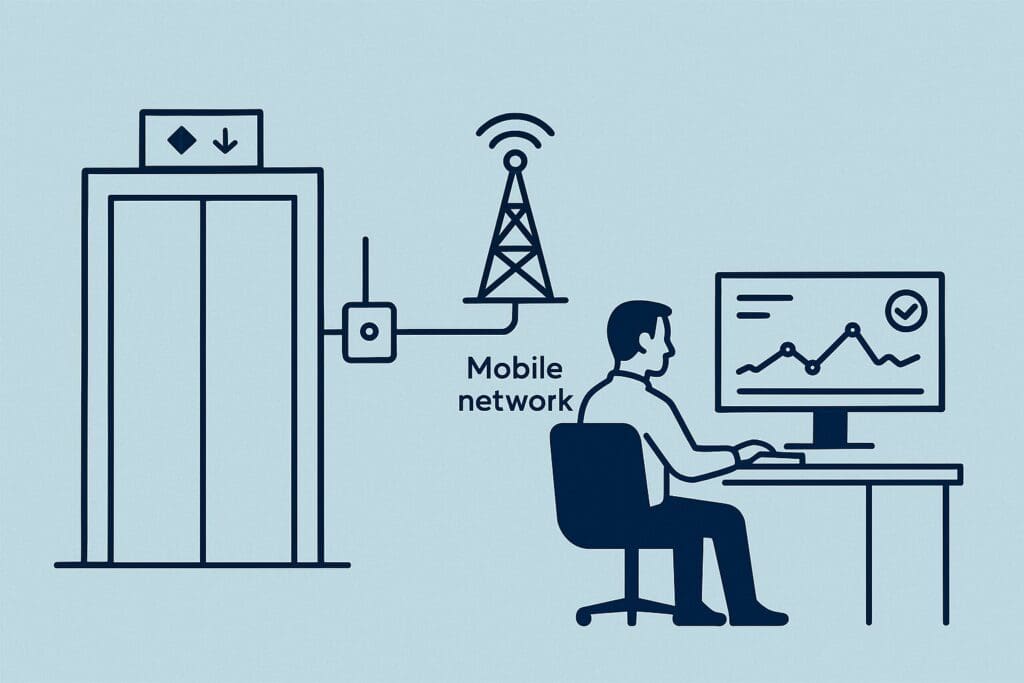
Remote lift monitoring uses connected systems to track lift performance in real time.

When a fault occurs, the system immediately alerts the maintenance provider, allowing action to be taken without delay.

It also enables engineers to:

  • Access fault information remotely 24/7
  • Understand what’s gone wrong before attending site
  • In some cases, resolve issues remotely even without needing to visit

Rather than relying on someone to report a problem, the lift monitoring system reports it for you instantly.

The Key Advantages

1. Immediate Fault Awareness

One of the biggest challenges in lift maintenance is simply knowing there’s a problem.

Remote monitoring eliminates unnecessary delays by:

  • Sending instant alerts when faults occur
  • Removing reliance on tenants or site staff to report issues
  • Providing real-time system visibility

This alone can significantly reduce response times.

2. Faster, More Efficient Callouts

When an engineer attends site with little or no prior information, diagnosis takes time.

Remote monitoring assures:

  • Fault data is available in advance
  • Engineers arrive better prepared
  • The root cause can be identified more quickly

This leads to faster fixes and fewer repeat visits.

3. Remote Diagnosis and Resolution

In some cases, faults don’t require a full site visit.

Remote monitoring enables:

  • Real-time system checks
  • Remote resets or parameter adjustments
  • Immediate intervention for certain fault types

This means some issues can be resolved:

  • Faster
  • At lower cost
  • With minimal disruption

4. Improved Uptime and Reliability

Reliability is a key priority for building owners, often outweighing cost considerations when it comes to lift performance.

By reducing delays in fault reporting and speeding up resolution, remote monitoring helps:

  • Keep lifts operational for longer
  • Reduce service interruptions
  • Improve overall user experience

5. Greater Transparency and Control

Remote monitoring provides clear visibility of: Call-out Software

  • When faults occur
  • How quickly they are responded to
  • Overall lift performance

This helps facilities managers:

  • Track service levels
  • Hold suppliers accountable
  • Make informed decisions about maintenance strategies

Why Remote Monitoring is Becoming the Standard

The move towards remote monitoring is being driven by several factors:

  • Increasing expectations around uptime and service delivery
  • More complex lift systems requiring specialist insight
  • Pressure on facilities teams to do more with less
  • A wider shift towards connected, data-enabled buildings

The technology is now widely available and increasingly adopted as part of modern smart lift management strategies.

Where It Delivers the Most Value

Remote monitoring is particularly beneficial in:

  • High-traffic commercial buildings
  • Multi-occupancy residential developments
  • Public sector environments
  • Sites with limited on-site maintenance presence

In these environments, even small response time improvements can make a significant difference.

The Bottom Line

Traditional lift maintenance relies heavily on faults being reported and diagnosed on-site.

Remote monitoring changes this by:

  • Identifying issues instantly
  • Enabling quicker, more informed responses
  • Allowing certain problems to be resolved remotely

The result is simple:

Less downtime, faster fixes, and better overall performance.

How can Ideal Lifts help?

If you’re looking to reduce lift downtime and improve response times across your buildings, remote monitoring is a practical and proven step forward.

To find out how it could work for your lift, speak to our team today.


Categories
Blog Blog Service

Customer Responsibilities Under LOLER Regulations:
What You Need to Know

Passenger lifts and goods lifts are essential to the safe and efficient operation of many buildings, from apartment blocks and care homes to retail space and offices. It’s important that duty holders are aware that owning or operating these systems comes with clear legal responsibilities. If you’re unfamiliar with the legislation, you may be wondering: what does LOLER mean in practice? Under the Lifting Operations and Lifting Equipment Regulations 1998 (LOLER), duty holders must ensure all lifts are safe, properly maintained, and fully compliant at all times.

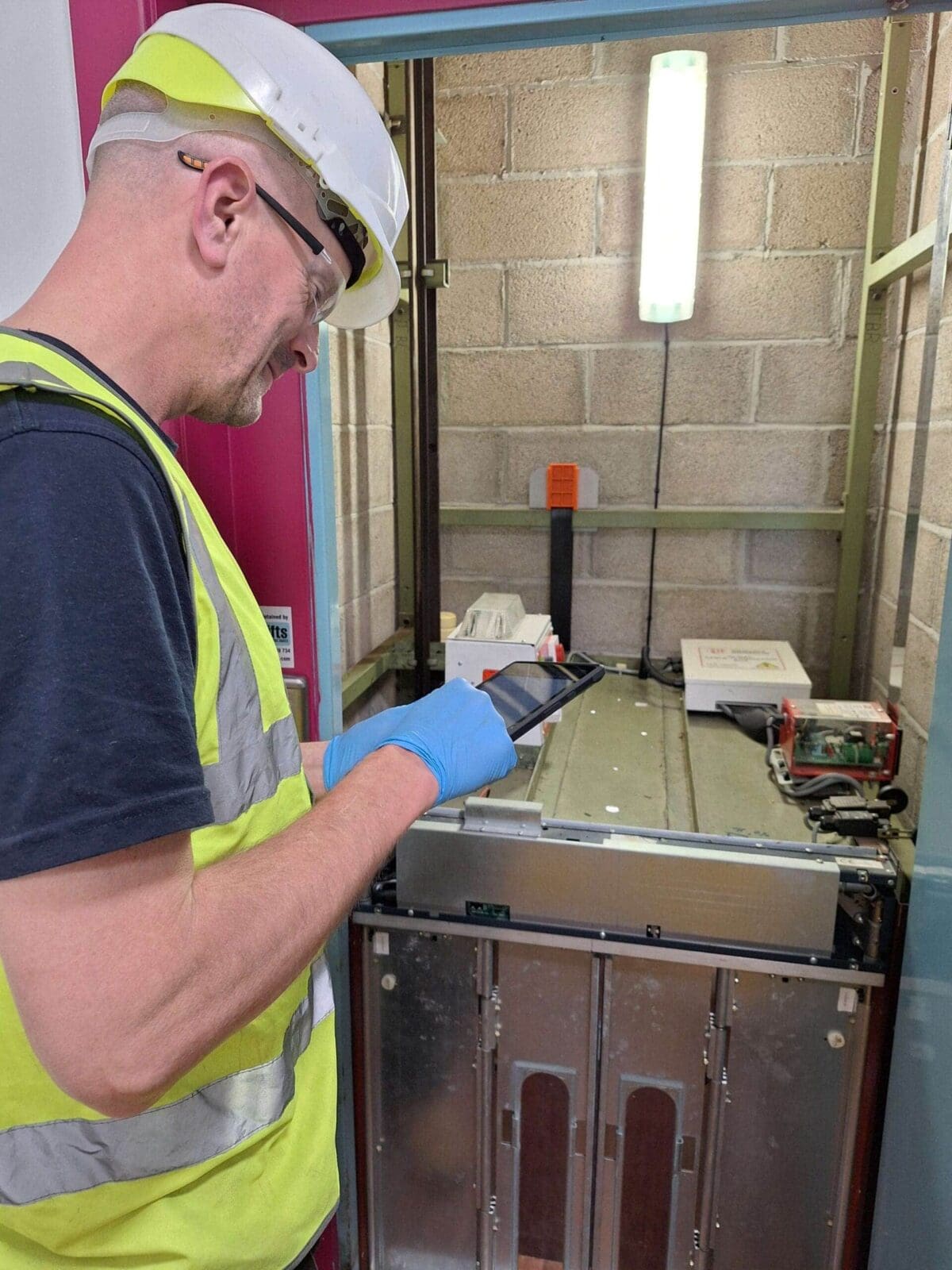
This article breaks down your key obligations, specifically for passenger and goods lifts, and explains how these regulations apply across both commercial and residential settings. A man servicing a lift

Does LOLER Apply to Your Lift?

If your business or organisation operates, the following lifts, then LOLER almost certainly applies:

  • Passenger lifts: for staff, residents, or the public
  • Goods lifts: including service lifts or mezzanine lifts

The regulation places duties on anyone who owns, manages, or controls lifting equipment in the workplace, not just the installer or manufacturer. Even if your lift was supplied and maintained by a third party, you remain legally responsible for compliance.

1. A Regular LOLER Examination Is Mandatory

The most critical LOLER requirement for lifts is thorough examination.

For lift systems:

  • Passenger lifts: every 6 months – if your lift carries people, even occasionally, then it falls under the strict 6‑month requirement
  • Goods lifts: typically every 12 months (or as specified in a written examination scheme)

A LOLER lift inspection must be carried out by a competent, independent person, and endorsed by a formal written report.

2. You Must Keep Lift Records and Reports

LOLER requires clear and accurate documentation, including:

  • Thorough examination reports
  • Maintenance and servicing records
  • Details of defects and repairs

These must be retained and available for inspection.

A well-maintained compliance record is essential for audits, insurers, and HSE inspections.

3. Ensure Lifts Are Safe and Suitable for Use

You must ensure your lifts are:

  • Fit for purpose
  • Used within their safe limits
  • Correctly installed and operated

Each lift must display its Safe Working Load (SWL) and any usage restrictions. For example, goods lifts must never be used to transport people unless designed to do so.

4. Maintain Lifts in Safe Working Condition

Routine servicing is essential to meet LOLER duties.

You must:

  • Ensure lifts are routinely maintained
  • Address faults promptly
  • Remove unsafe equipment from service

LOLER requires equipment to be safe at all times, not just during inspections.

5. Plan for Safe Lift Operation

LOLER requires that lifting operations are:

  • Properly planned
  • Safely carried out
  • Appropriately supervised

For lifts, this includes:

  • Safe passenger use
  • Controlled access where needed
  • Clear operating procedures

6. Provide Training and Clear Instructions

Anyone responsible for using or managing lifts must be:

  • Competent and trained
  • Aware of load limits and restrictions
  • Able to identify and report faults

7. Act Immediately on Defects

If a serious defect is identified during a LOLER inspection:

  • The lift may need to be taken out of service
  • Repairs must be carried out without delay
  • The lift must be made safe before reuse

How Does LOLER Apply to Apartment Blocks and Lifts in Communal Areas?

This is one of the most common areas of confusion.

The Key Point: “Use at Work”

LOLER is primarily a workplace regulation. It technically applies when lifts are used by people at work. In residential apartment buildings, this creates a grey area, but in practice most communal lifts will fall under LOLER.

Why Communal Lifts Are Usually Covered

Even in residential blocks, lifts are rarely “purely domestic.” They are typically used by:

  • Cleaners and caretakers
  • Maintenance contractors and engineers
  • Managing agents and building staff

This connection to work activity brings lifts within scope. [legislation.gov.uk]

As a result, communal passenger lifts are almost always treated as LOLER-applicable.

Who Is Responsible?

For communal lifts, the duty holder is usually:

  • The freeholder / landlord
  • Or the managing agent acting on their behalf

They are responsible because they control the lift and communal areas, not the residents.

What If LOLER Doesn’t Strictly Apply?

In rare cases, when a lift is not classed as “used at work,” there is still a legal obligation under the Health and Safety at Work Act to protect residents and visitors.

The HSE makes it clear that:

A level of inspection and maintenance similar to LOLER is typically considered ‘reasonably practicable.’

In simple terms:
Even if LOLER doesn’t strictly apply, you are still expected to follow its principles.

The Practical Reality

Across the industry, communal lifts in apartment blocks are treated the same standards expected under LOLER regulations, including:

  • 6‑monthly thorough examinationsLOLER Inspection
  • Ongoing servicing and maintenance
  • Full compliance documentation

This is driven by:

  • Legal duty of care
  • Insurance requirements
  • Risk management best practice

The Risks of Non-Compliance

Failure to meet LOLER compliance requirements can lead to:

  • Fines and enforcement action
  • Lift shutdowns and operational disruption
  • Increased liability in the event of incidents

Most importantly it puts users, whether that’s employees, residents, or visitors, at risk.

How Ideal Lifts Can Support You

At Ideal Lifts, we help customers stay fully compliant with:

Final Thoughts

Whether in a commercial building or a residential apartment block, passenger and goods lifts carry significant responsibility. LOLER makes it clear: if you own, manage, or control a lift, you are accountable for keeping it safe.

By staying on top of inspections, maintenance, and documentation, and understanding how the rules apply in your specific setting, you can ensure ongoing compliance and complete peace of mind.

Need help with your lift compliance?
Contact Ideal Lifts today to keep your passenger and goods lifts safe, compliant, and operating at their best.

Categories
Blog Blog Service

The Openreach Digital Switchover: What It Means for Lift Emergency Communications

The UK’s telecommunications infrastructure is undergoing one of the most significant transformations in decades. Openreach is phasing out the legacy copper-based Public Switched Telephone Network (PSTN) and ISDN services, replacing them with a fully digital, IP-based network. Before the end of the decade, traditional analogue phone lines will be switched off permanently.

For many businesses, this is simply a change in how phone and broadband services are delivered. However, for building systems that rely on analogue connectivity, such as lift emergency phones, autodiallers and alarm systems, the implications are far more critical.

Why the Copper Network Is Being Retired

The copper network has served reliably for over a century, but it is becoming increasingly difficult and costly to maintain. At the same time, digital networks offer clear advantages:

  • Higher reliability and resilience
  • Greater bandwidth and scalability
  • Improved energy efficiency
  • Support for modern communication technologies

As a result, Openreach and service providers are actively migrating customers to “all-IP” services, with Stop Sell rules already in place across many areas and complete PSTN withdrawal planned in the coming years.

The Hidden Challenge: Systems That Depend on Copper

While the transition is straightforward for standard office telephony, many critical systems still rely on analogue lines, often without building managers fully realising it.

Commonly affected systems include:

  • Lift emergency communication systems
  • Autodiallers used in plant rooms or alarm panels
  • Monitoring systems that require a constant analogue connection

As these systems were designed for a network that is being retired, when the switch-off happens they may:

  • Fail to connect calls reliably
  • Lose functionality entirely
  • Become non-compliant with safety standards

For lifts, in particular, this presents a serious concern. Emergency communication must remain operational at all times, and any disruption could put passengers at risk.

Why “Simple Adaptors” Aren’t Always the Answer

You may come across solutions that aim to convert analogue signals to digital using adapters or VoIP gateways. While these can work in certain scenarios, they often introduce new challenges:

  • Dependency on local broadband and power
  • Reduced reliability during outages
  • Inconsistent call quality
  • Lack of compliance with lift communication standards

In a safety-critical environment, a robust and purpose-built solution is essential.

A Future-Ready Approach to Lift Communication

A more resilient approach is to transition away from fixed line dependency altogether and move to cellular-based communication systems designed specifically for lifts and emergency use.

At Ideal Lifts, we support clients through this transition with a complete, integrated solution that includes:

  • Modern autodiallers
  • GSM/cellular connectivity
  • Fully managed SIM services

You can find more detail about this approach here:

https://www.ideallifts.com/lift-service/lift-upgrade-refurbishment/two-way-emergency-communication/

Key Benefits of a Modern Cellular Solution4G

4G Connectivity Built for Reliability – Using 4G networks ensures strong, consistent connectivity across the UK, without relying on ageing infrastructure.

Open Protocol Equipment – All equipment supplied is open protocol, meaning it is not locked into a single source of support and programmability. This provides greater flexibility, easier maintenance, and future-proof compatibility.

Non-Steered VoLTE Roaming – Unlike standard SIMs that connect to a single network, our modern non-steered roaming SIM cards automatically connect to the strongest available signal across multiple operators. This significantly improves resilience, especially in lift shafts and motor rooms where signal strength can vary.

Fully Managed SIM Cards – We provide fully managed SIM card solutions, removing the complexity of sourcing, configuring, and maintaining connectivity. This ensures consistent performance and proactive monitoring.

Planning for the Transition

With the digital switchover already underway, the key message is simple:
don’t wait until services are switched off to take action.

A proactive review of your building systems can help you:

  • Identify vulnerable equipment
  • Avoid unexpected failures
  • Maintain safety compliance
  • Spread upgrade costs over time

Final Thoughts

The Openreach digital switch over is not just a telecoms upgrade; it’s a fundamental shift that affects critical infrastructure within buildings.

For lift systems and emergency communication, reliability is non-negotiable. Moving to a modern, cellular-based solution provides a practical and future-ready way to ensure continuous operation long after copper lines have been retired.

If you’re unsure how the changes may affect your lifts or building systems, please reach out to one of our helpful team on 01837 659 734 or service@idealliftsservice.co.uk.

Categories
Ideal Lifts Frame System IL3 Modular School Structures

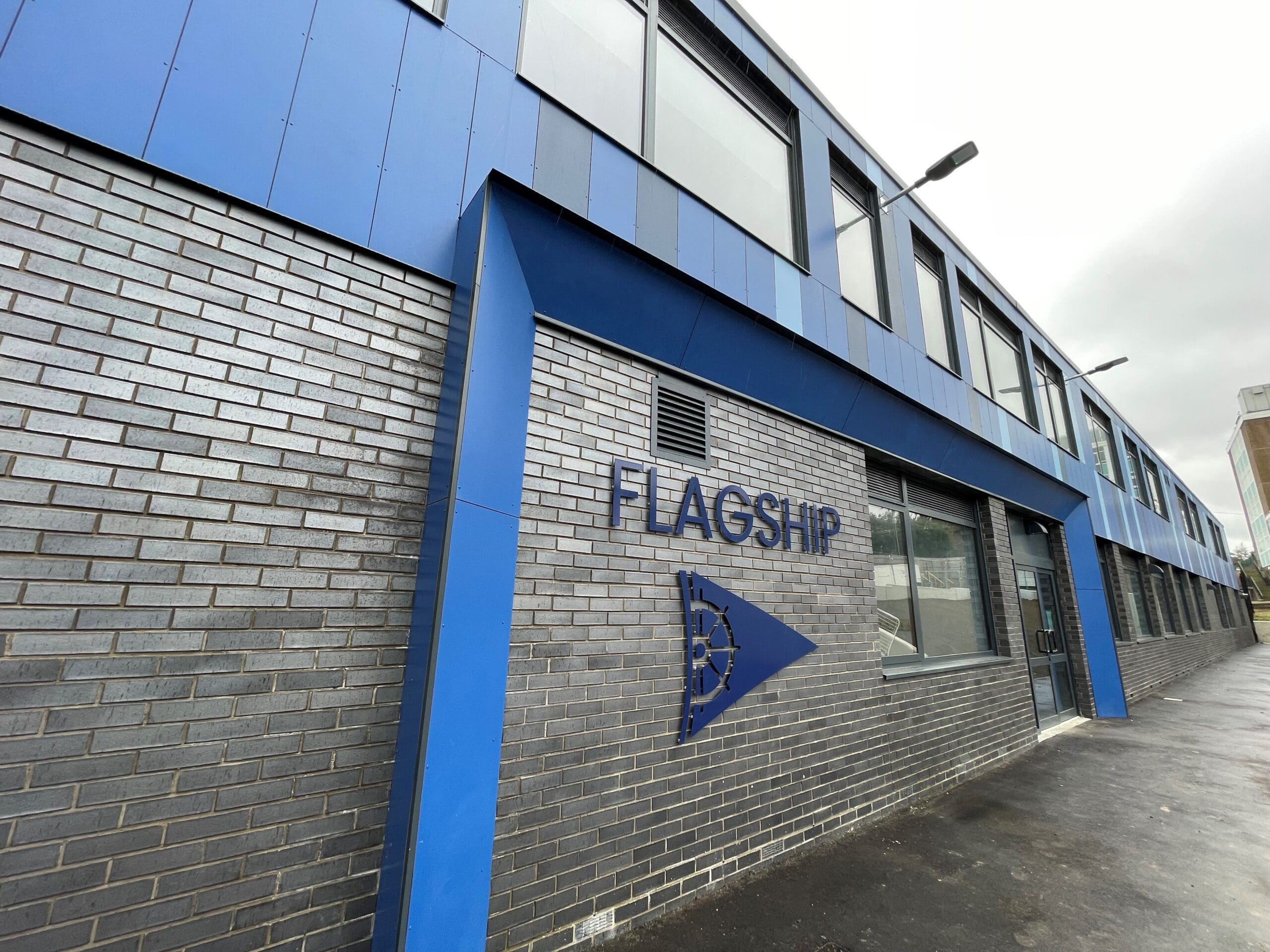
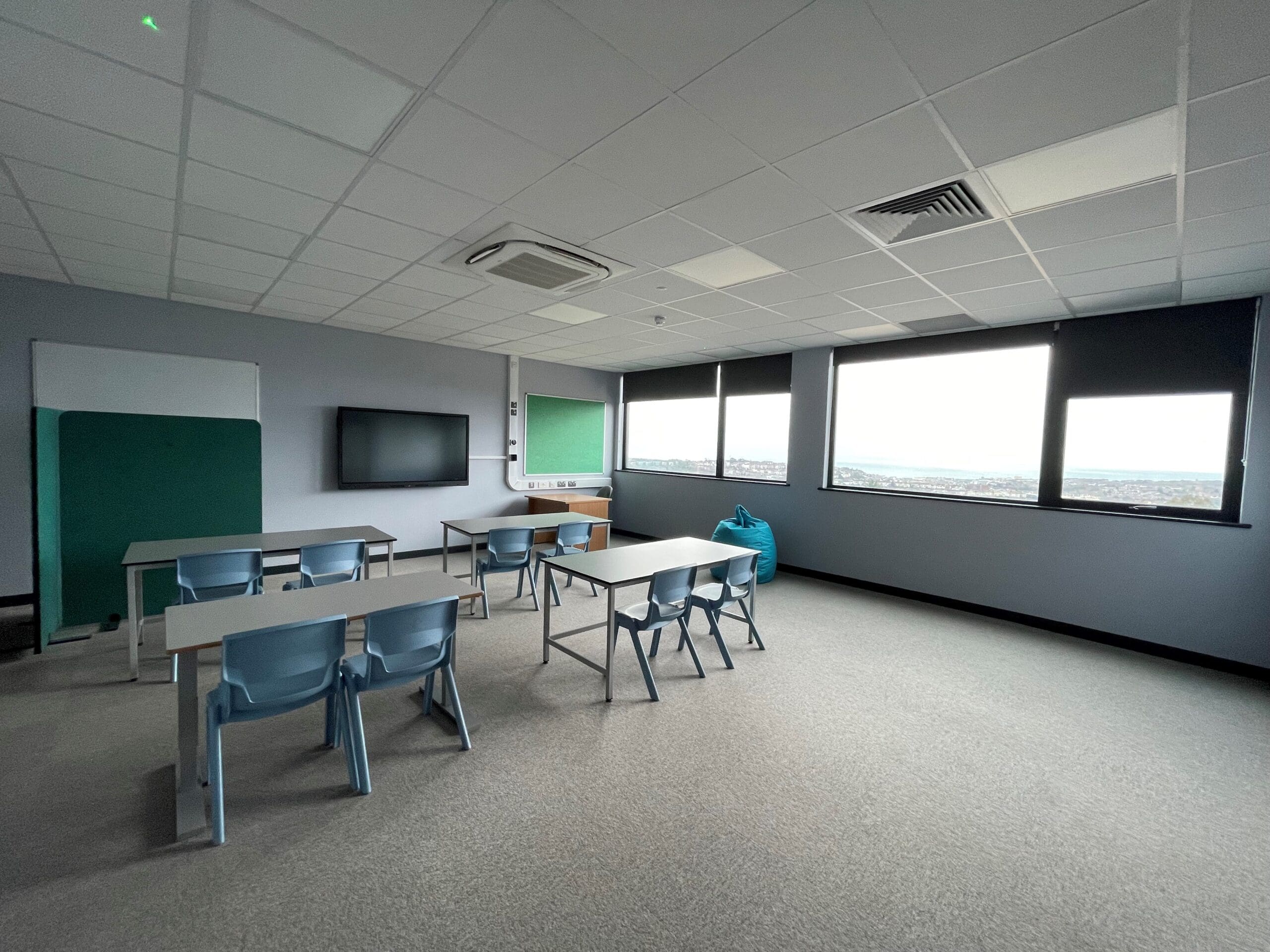
Lift Solution for Modular Flagship SEN School

Lift Solution for Modular Flagship SEN School

Flagship SEN School - Ideal Lifts

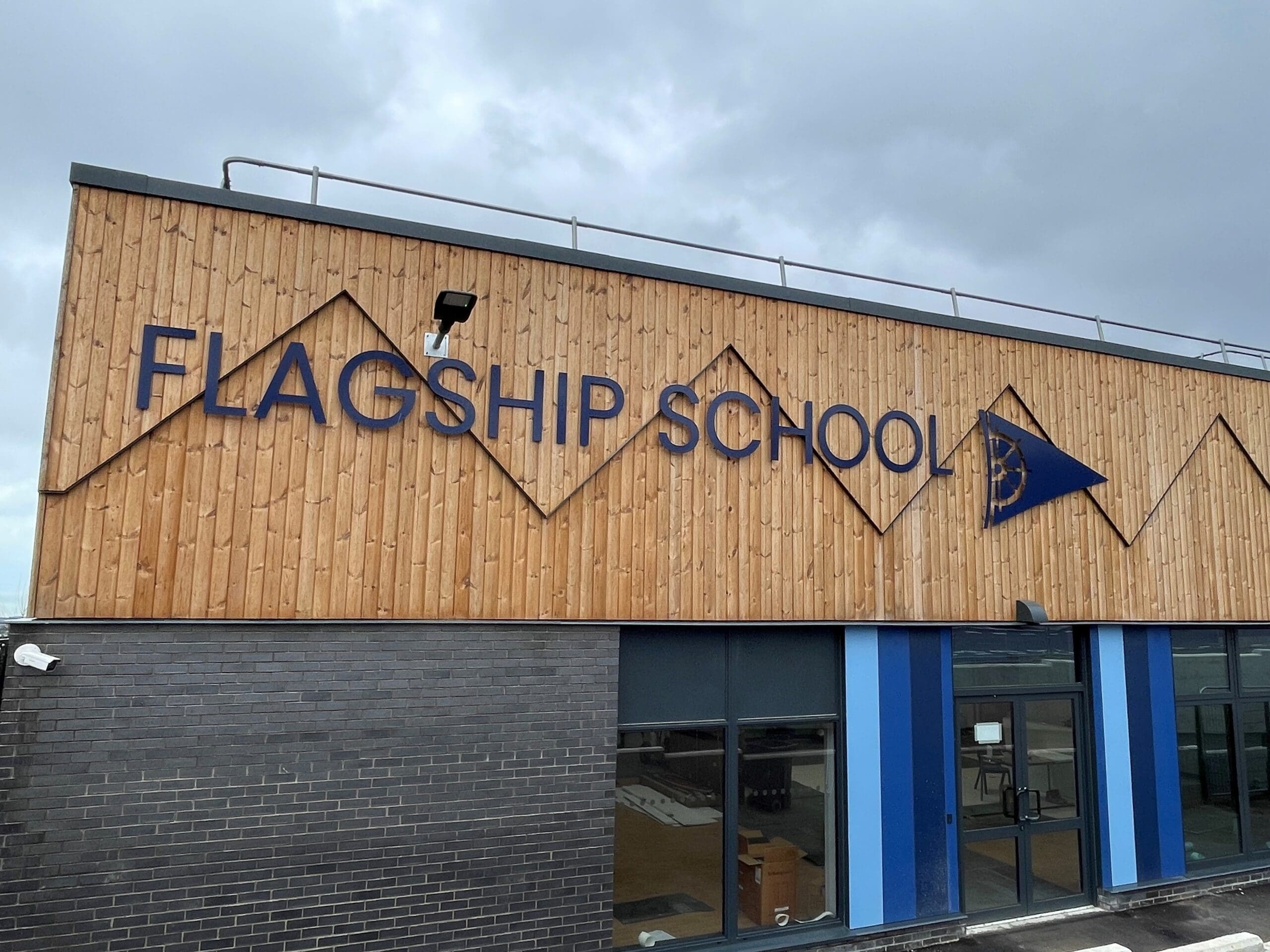
Ideal Lifts were approached by a specialist education Modular construction company when they needed a lift for a new SEN School in Hastings.

The Special School opened in 2021 in temporary buildings whilst designing and constructing a new purpose-built building.

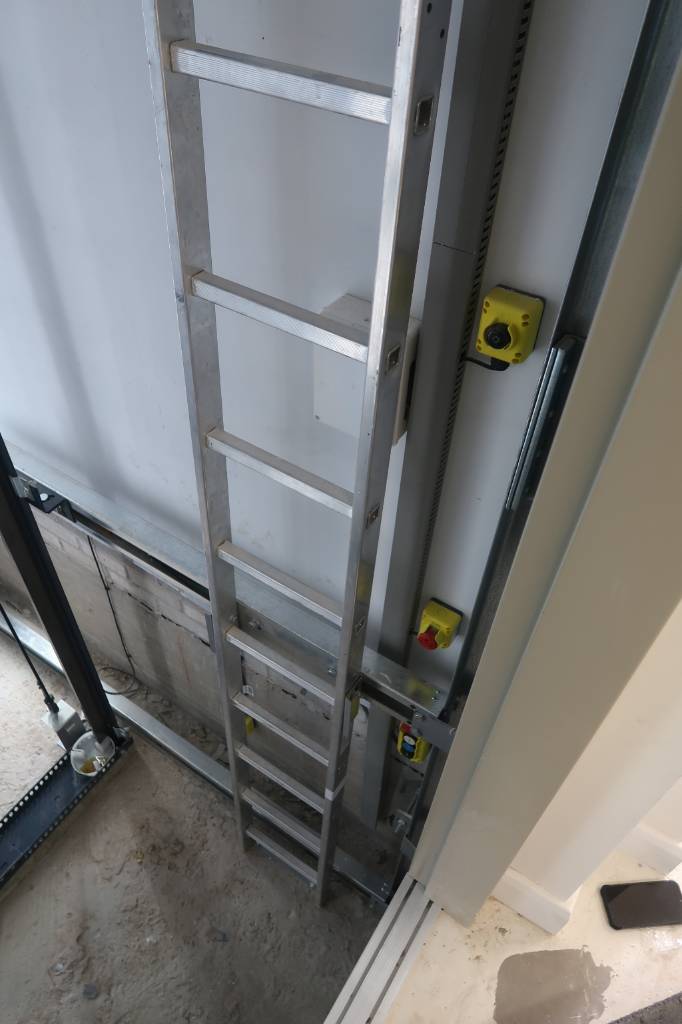
As this is a Modular school, we installed our unique frame system for OFFSITE construction, removing the need for a conventional masonry lift shaft.  The Ideal Lifts Frame System incorporates lifting beams, pit ladder and removes the need for scaffolding.

There is no need for additional special fabrication or steelwork inserts to be built in.

A much-simplified design reduced the modular manufacturing and design cost, by removing a bespoke shaft.

The core principles of the Ideal Lifts Frame System are ‘Repeatability = Efficiency’

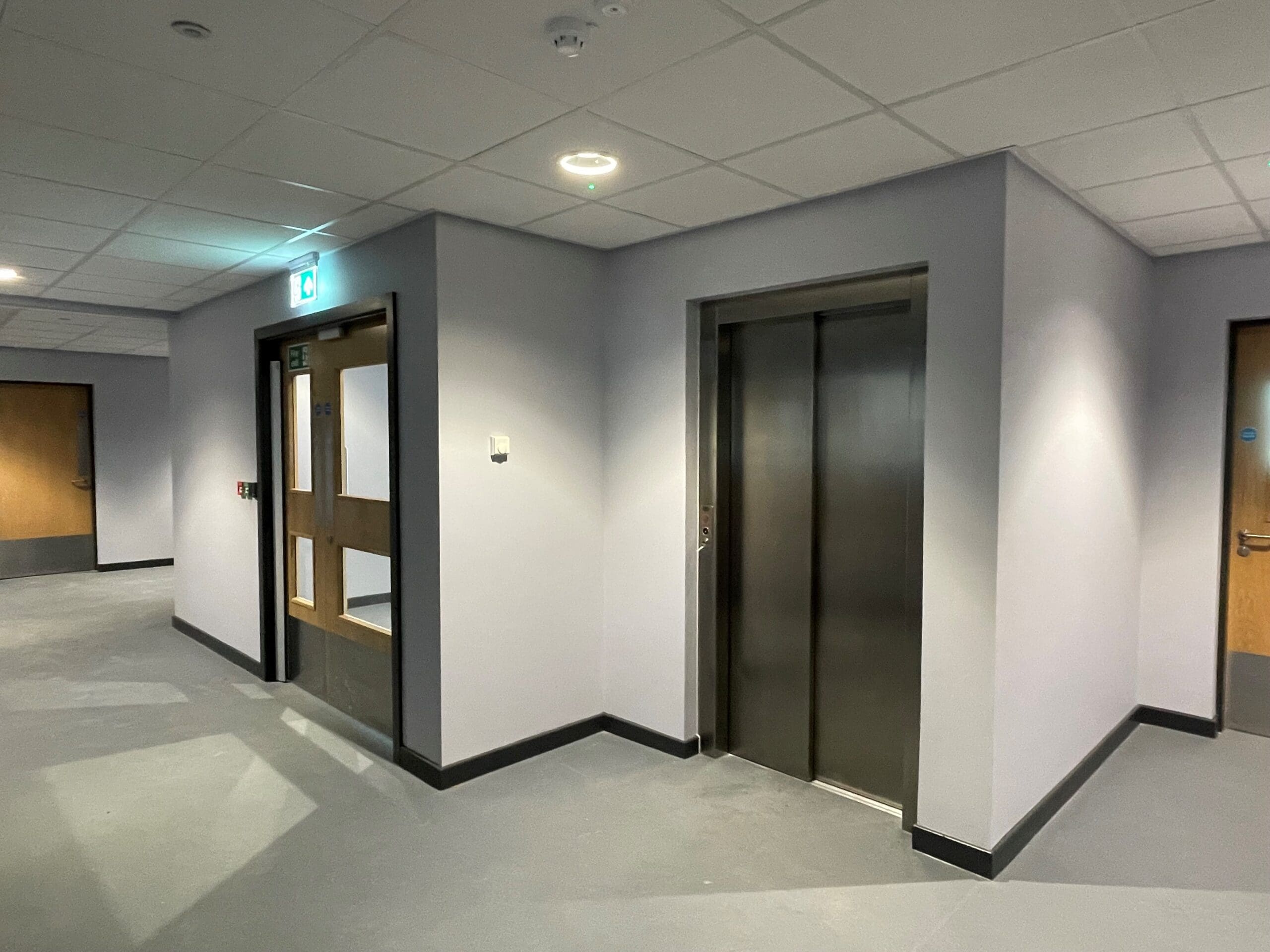
Ideal Lifts were involved from the early design phase, and we specified our IL3 Eco-Drive, motor room-less (MRL) gearless traction drive passenger lift which was ideally suited for this low rise building with moderate use.  With an ever-increasing demand to reduce energy, our IL3 Eco-Drive passenger lifts use 35% less electricity than conventional traction lifts and can achieve two BREEAM credits.  For further information about the IL3 Eco-Drive see our Video.

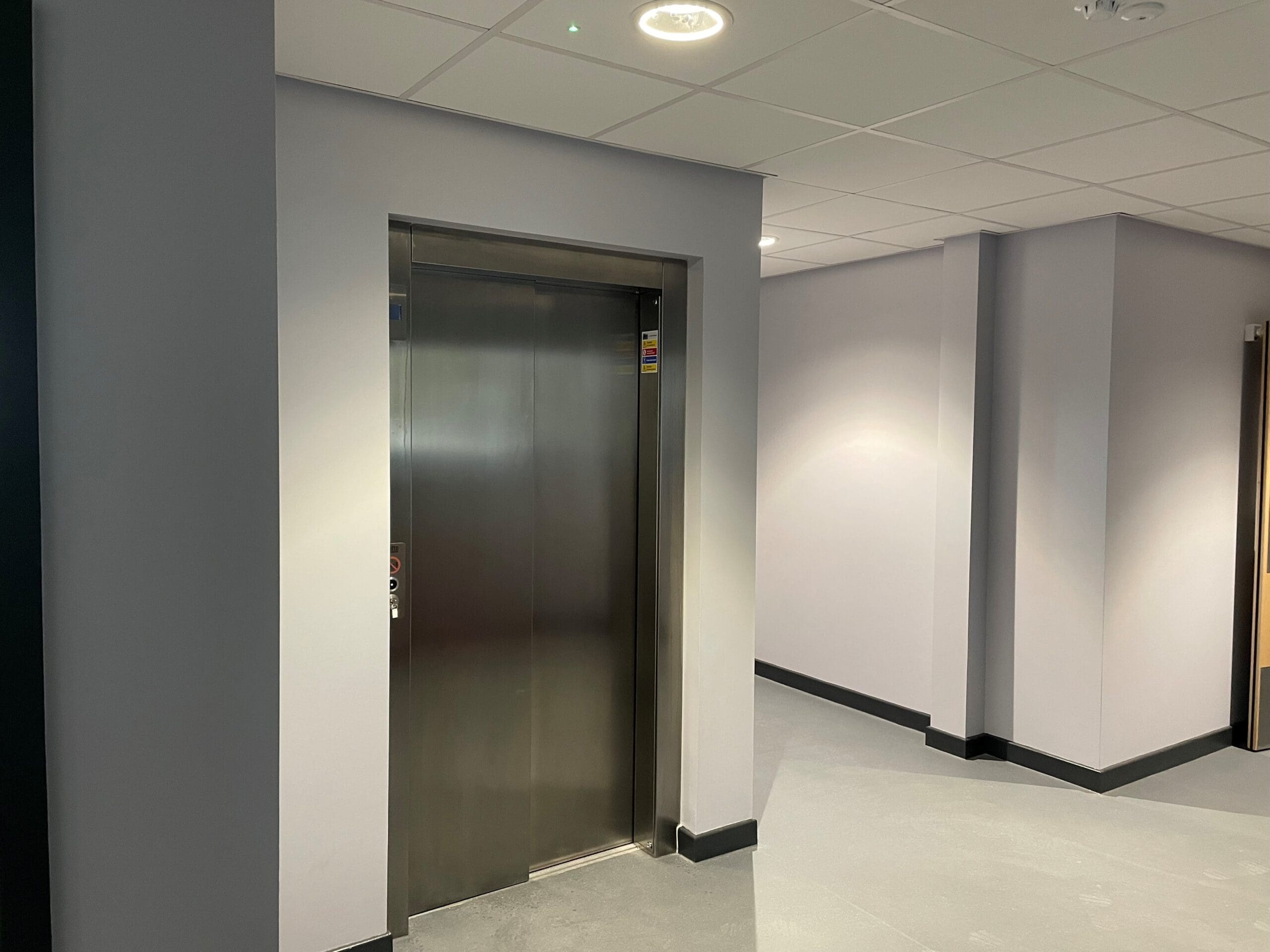
Ideal Lifts installed our contemporary ‘Essential Car’, with stylish stainless steel landing entrances to compliment the contemporary building finish.

The lift controller was designed to interface with the main building key fob security system to restrict access to authorised persons. A dedicated isolation switch enables the lift to be placed into unrestricted on occasions such as open days.

The existing analogue telephone network will be switched off by 31 December 2025. Therefore, the lift was fitted with our optional Digital Communications Platform (DCP) providing the interface between the lift emergency Autodialler and a mobile telephone network.

Categories
Anti-Vandal Lift Apartments IL4 Light Gauge Steel Masonry Social Housing Structures

A Collection of Vandal-Resistant Quayside Lifts

A Collection of Vandal-Resistant Quayside Lifts

Gloucester Quays Ideal Lifts - BS EN 81-71 Vandal Resistant Lifts

Click on the links above for our Digital Magazines

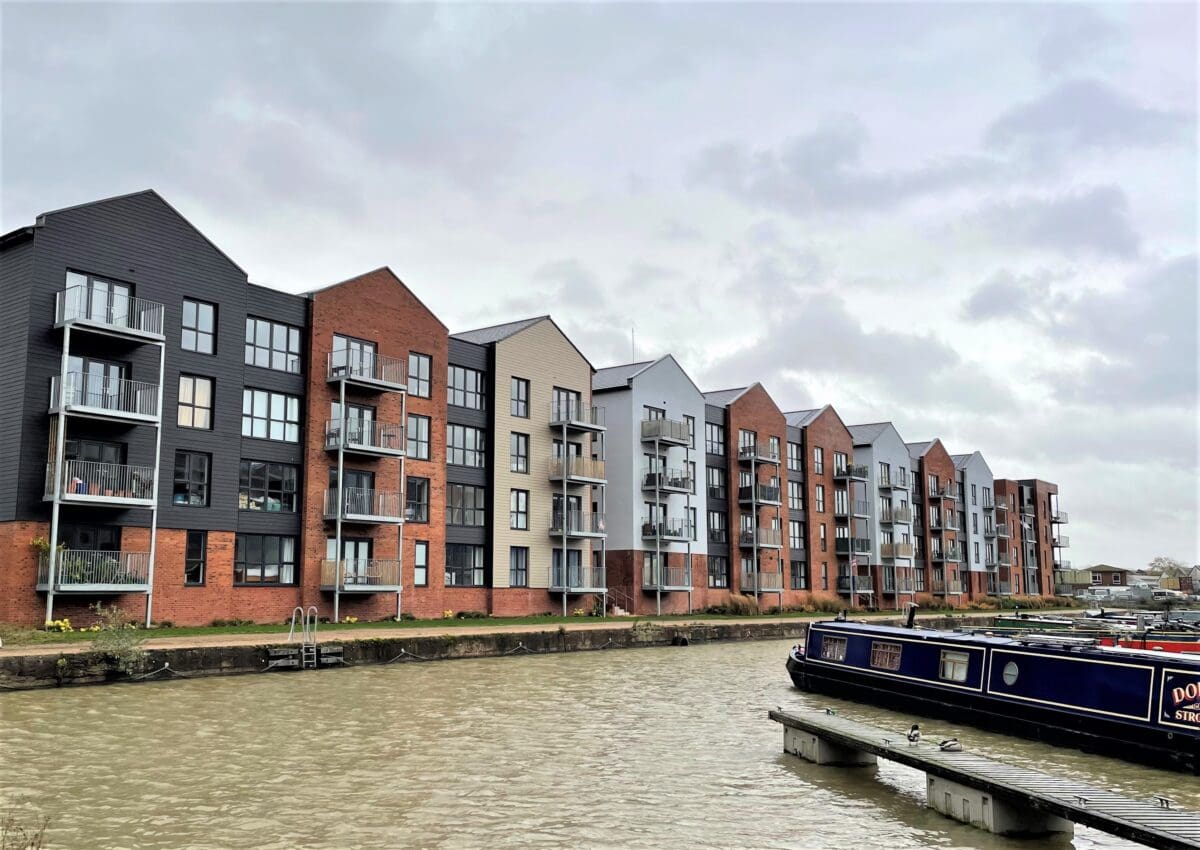
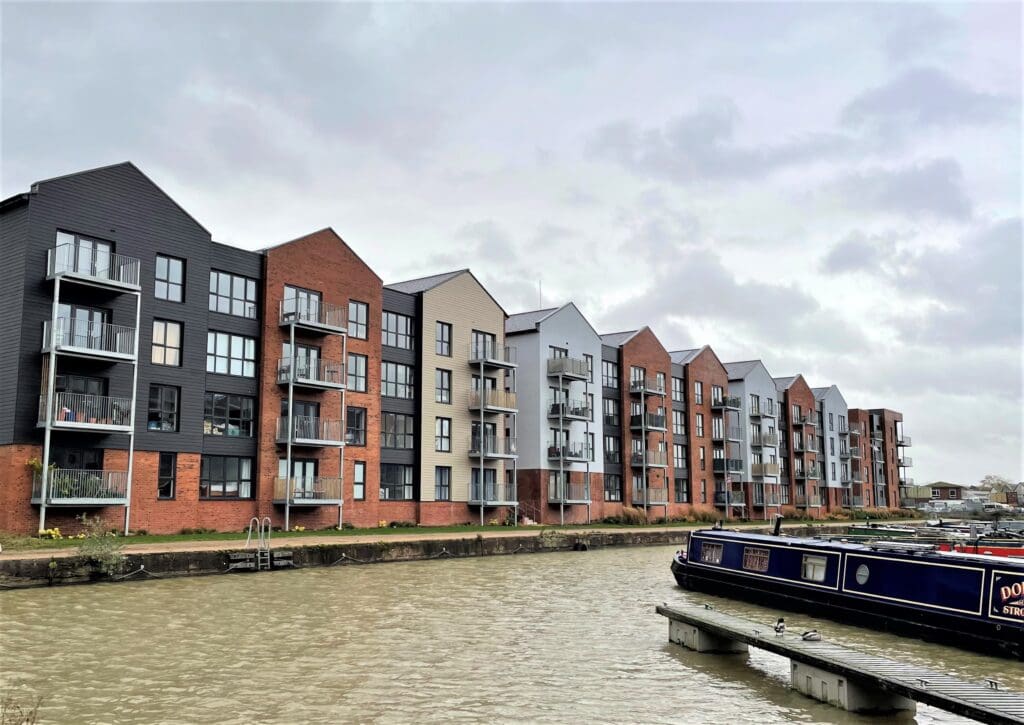
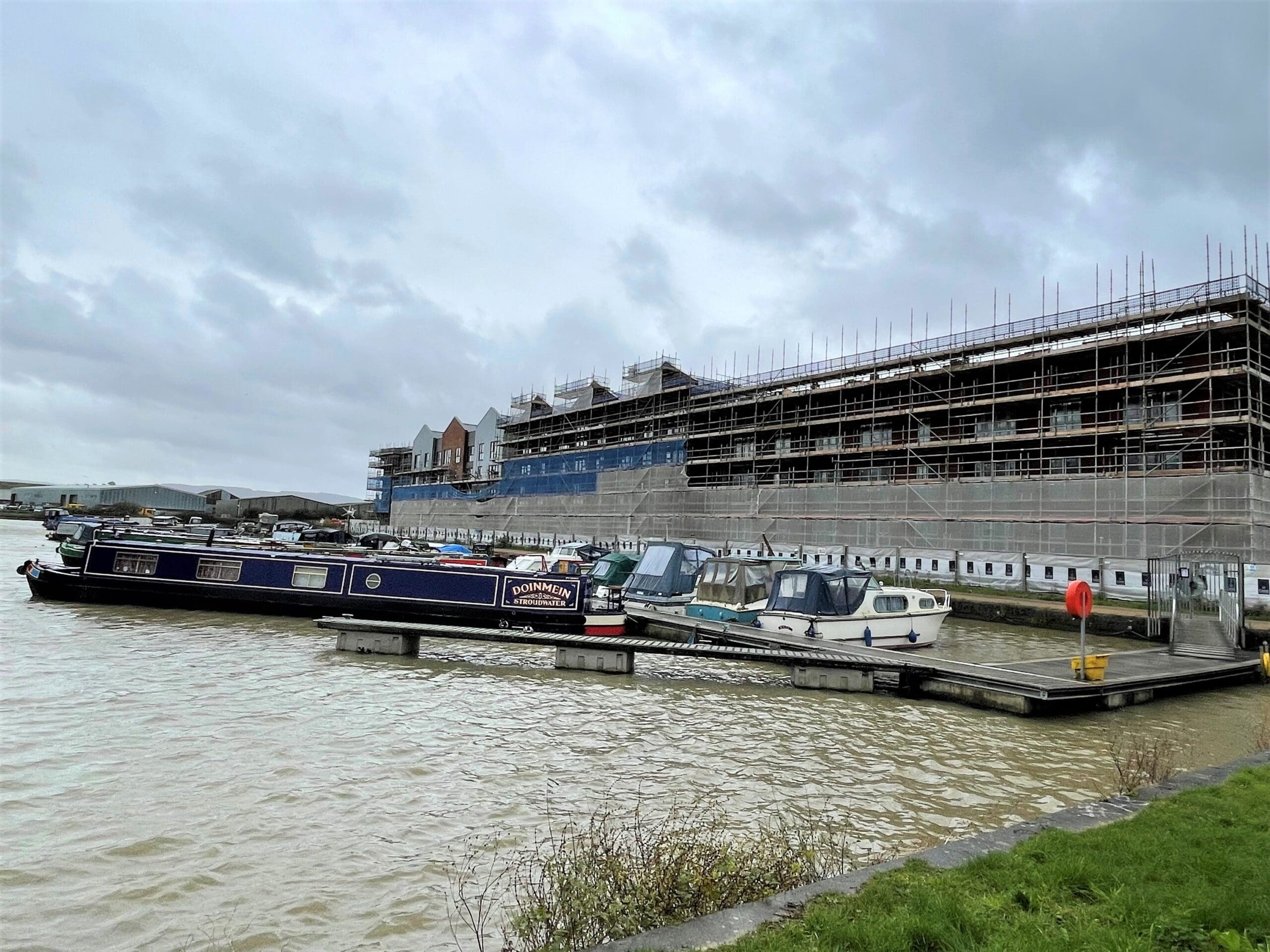
Ideal Lifts Ltd. were approached by our repeat client, leading housing developer Crest Nicholson, who were working with one of England’s largest affordable housing providers The Guinness Partnership, to provide the lifts on a multi-block project by the historic Gloucester Quays.  The £85m waterfront scheme incorporates over 400 mixed-tenure homes, with a selection of 362 1&2-bed luxury apartments and 49 2&3-bed houses.

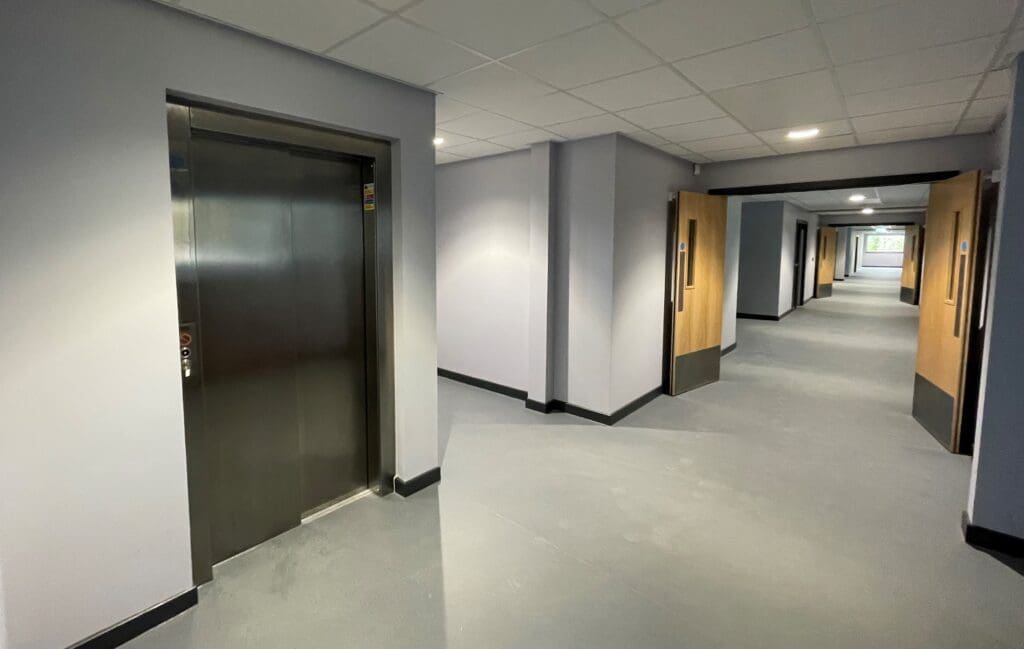
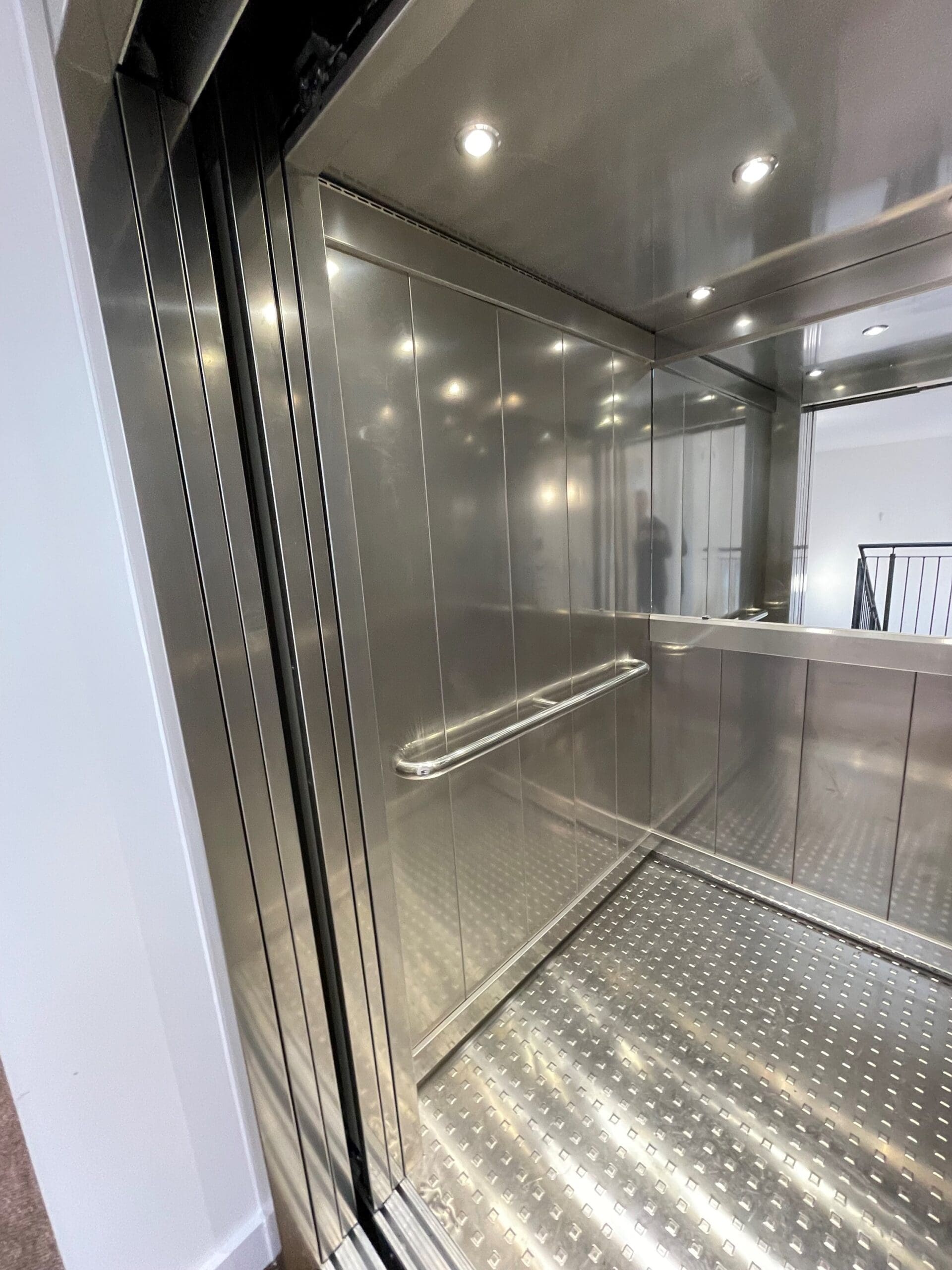
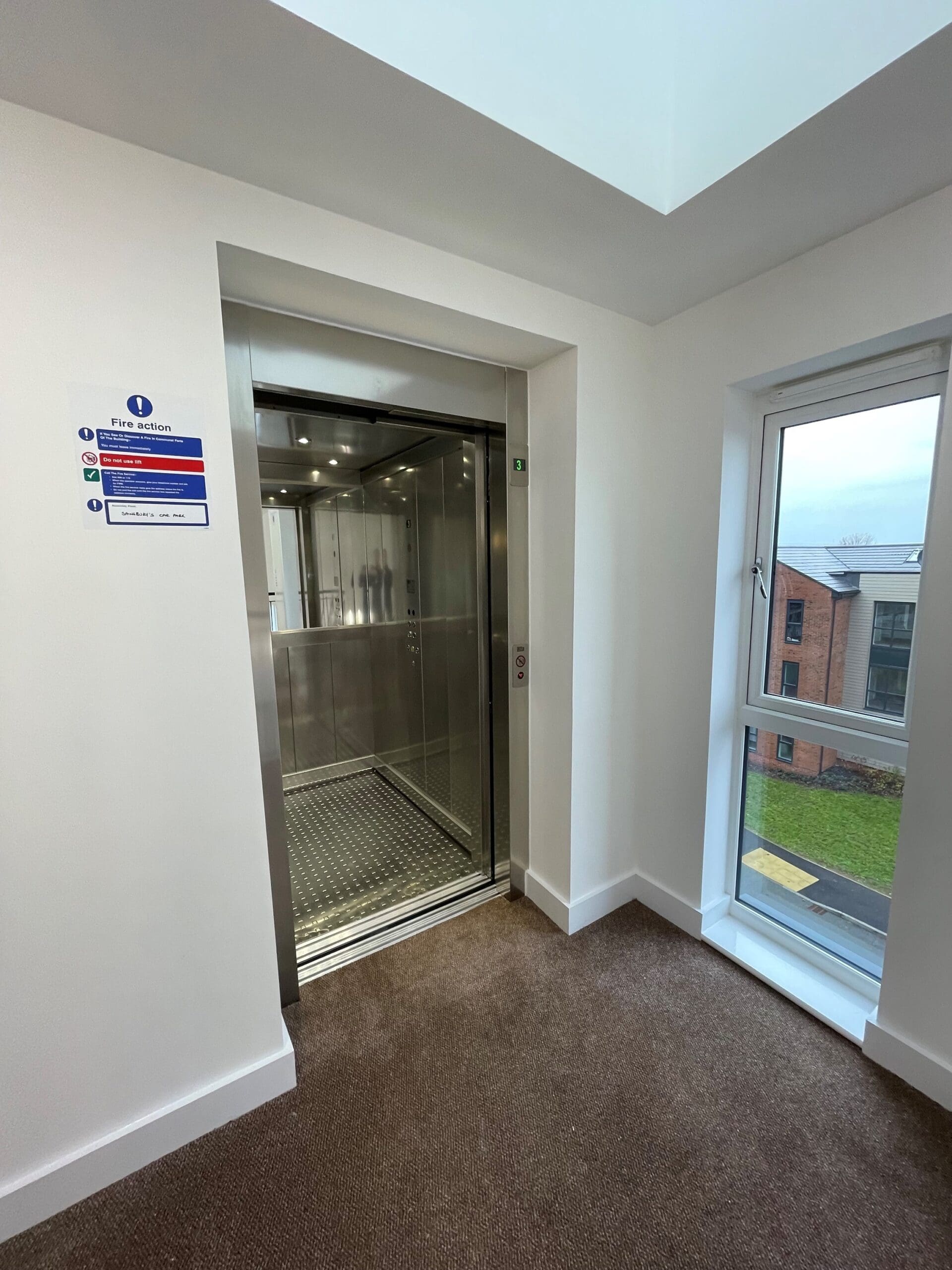
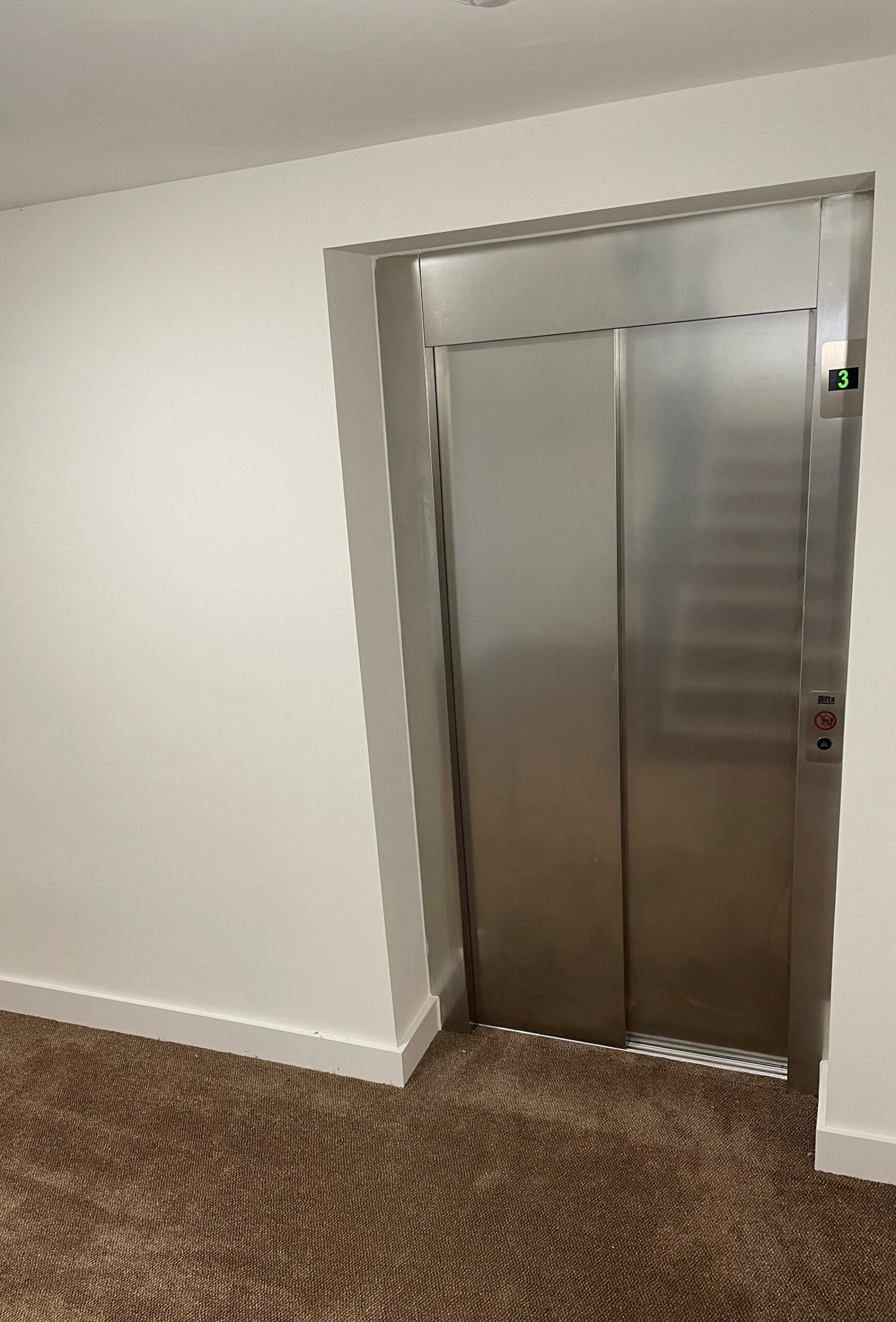
The Canalside project required Ideal Lifts Ltd. to install Category 2, BS EN 81-71 Vandal Resistant lifts in all blocks, with robust PEGASUS doors, finished in a durable linen textured stainless steel.

The project was of hybrid construction incorporating both traditional and Light Gauge Steel (LGS) blocks, we therefore installed some of the lifts in our Ideal Lifts Frame System and others using a direct wall-mounted solution.

In the LGS block the lifts were installed in our unique frame system for OFFSITE construction, removing the need for a conventional lift shaft.  The Frame System incorporates lifting beams, pit ladder and removes the need for scaffolding.  There is no need for additional special fabrication or steelwork inserts to be built in delivering a much-simplified repeatable process to the team.

The existing analogue telephone network will be switched off by 31 December 2025. Therefore, all the lifts were fitted with our optional Digital Communications Platform (DCP) providing the interface between the lift emergency Autodialler and a mobile telephone network, along with the additional option of a managed commercial grade SIM card package.

All lifts installed were our IL4 passenger lifts is for larger buildings and busy environments – to carry people higher and faster. Fitted with a premium variable speed motor room-less (MRL) gearless traction drive and can achieve 2 BREEAM credits.

Categories
News News New Lifts

National Apprentice Week 2023

National Apprentice Week 2023

NAW 2023

To celebrate this year’s National Apprentice Week, we are focusing on our two newest recruits Lily Howard and Liam Balman.

Lily has worked as a Business Administrator within the construction industry for over 5 years, but this is her first ‘ride’ in the lift industry, starting with us in May 2022.

Lily assists our Operations Director with regards to H&S on site and in the workplace. Ideal Lifts Ltd. believe in helping create the right opportunities for training, within the 9 months Lily has been with us, she has successfully been able to complete an ISO Internal Auditors course and a Face Fit Testing – Correct Fitting and Testing Procedures.

Lily is also working towards achieving her NVQ Level 3 in Business Administration via Train’d Up. She remains consistent with being able to balance her learning and day-to-day job functions.  Her course includes on the job training and projects combined with remote learning sessions.

In all aspects of her life, Lily loves organising. From her bookshelf at home being alphabetised, and colour coded Tupperware, to creating to-do lists and work routines.

Lily is our first point of contact for clients and a key point of contact between all departments, she provides the ‘golden thread’ connecting all our business processes.  In supporting the Sales team Lily has created new, more efficient business processes further developing our Business Operating Platform.

Joining in with the Christmas spirit, Lily brought a beautifully arranged Christmas Charcu’tree’ board as part of the office Christmas buffet.

Lily’s favourite aspect of the job is working within a great team environment, and currently project managing the new office move to a new unit alongside being the PA to our Managing Director.

Starting with us in July 2022 Liam, dived in as the new apprentice in the Design team.  Currently Liam is completing his NVQ Level 3 in Digital Design Engineering and Level 3 Diploma in Construction and the Built Environment with Dudley College of Technology.

Liam initially completed a few months of hands-on experience in the office combined with an intensive 7-week online course, before heading up to Dudley to undertake the academic element of study in his 30-month course with CADCOE.

The study element consisted of classroom tutor sessions, on-site surveying, and an exam.

Liam has produced a design proposal for a 3D assembly model to work in a design partnership with our frame manufacturer, to help improve the efficiency when installing the frame system.

As well as designing in the office, Liam has also assisted on-site with a frame system installation and receiving deliveries to help further his understanding of the process and enable him to design in further efficiencies and improvements.

Not only is he a whizz on the computer, but Liam also recently put his design skills to a different type of use in the Christmas baking competition winning first prize for his Ideal Lifts Frame System cake, hands down the best in the show!
Liam has taken on the role of producing some of the Construction Work Booklets (CWB’s), he is also completing a review of our entire library of data sheets & shaft plans and helping to introduce the new design elements across our suite of design documents.

Liam will be producing some new animated videos for use in our technical presentations and marketing materials alongside our newly designed website.

Favourite aspect of the job so far for Liam, is the 3D modelling which he is hoping to develop with further study in the field of BIM.

Liam was inspired to come into the design field because he worked alongside his father whilst completing a loft conversion and some other projects giving him an insight into design and engineering.

Our Operations Director Louise Honey, said this about Lily & Liam,

“IDEAL LIFTS LTD BELIEVES IN HOME GROWN TALENT AND IT CAN SOMETIMES BE DIFFICULT FINDING THE RIGHT PEOPLE WITH THE RIGHT SKILLS. BY OFFERING APPRENTICESHIP OPPORTUNITIES, WE HAVE BEEN ABLE TO RECRUIT SOME FANTASTIC LOCAL TALENT. LILY AND LIAM ARE NEW TO THE LIFT INDUSTRY AND LEARN ABOUT ALL THE ASPECTS OF THE BUSINESS ON THE JOB, SO AS THEY BECOME QUALIFIED, THEIR SKILLSET AND EXPERIENCE MATCH OUR NEEDS.”

Categories
Commercial Offices IL4 Structures Timber Construction

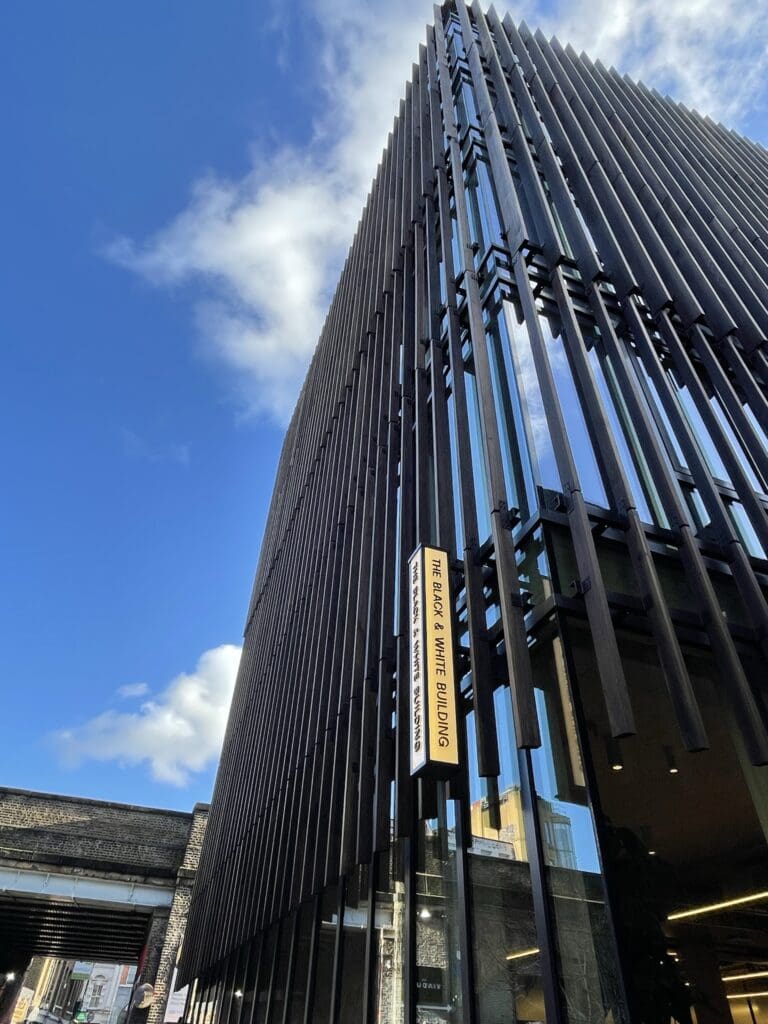
Tallest Mass-Timber Offices in London

Tallest Mass-Timber Offices in London

Commercial lifts for Office Building

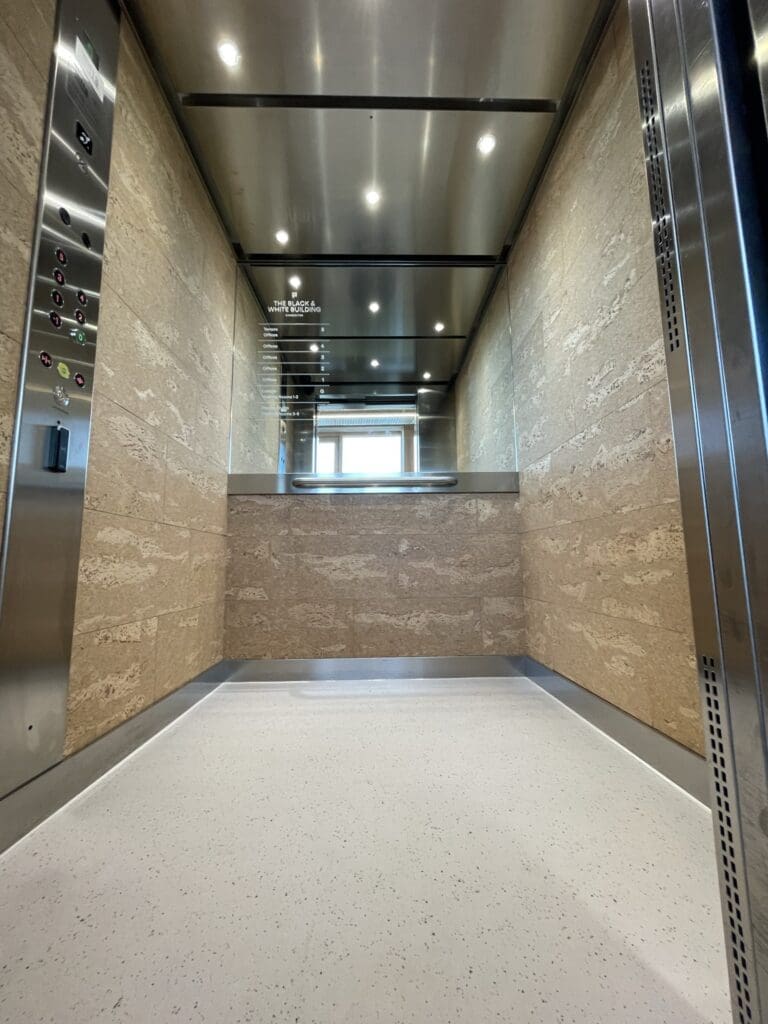
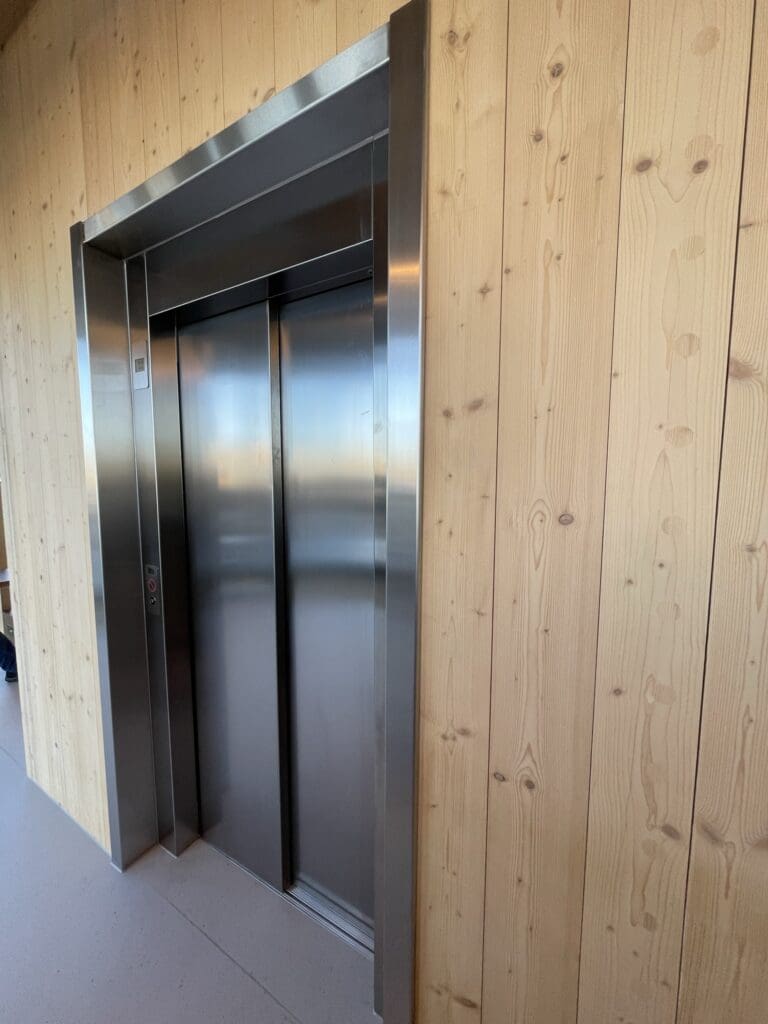
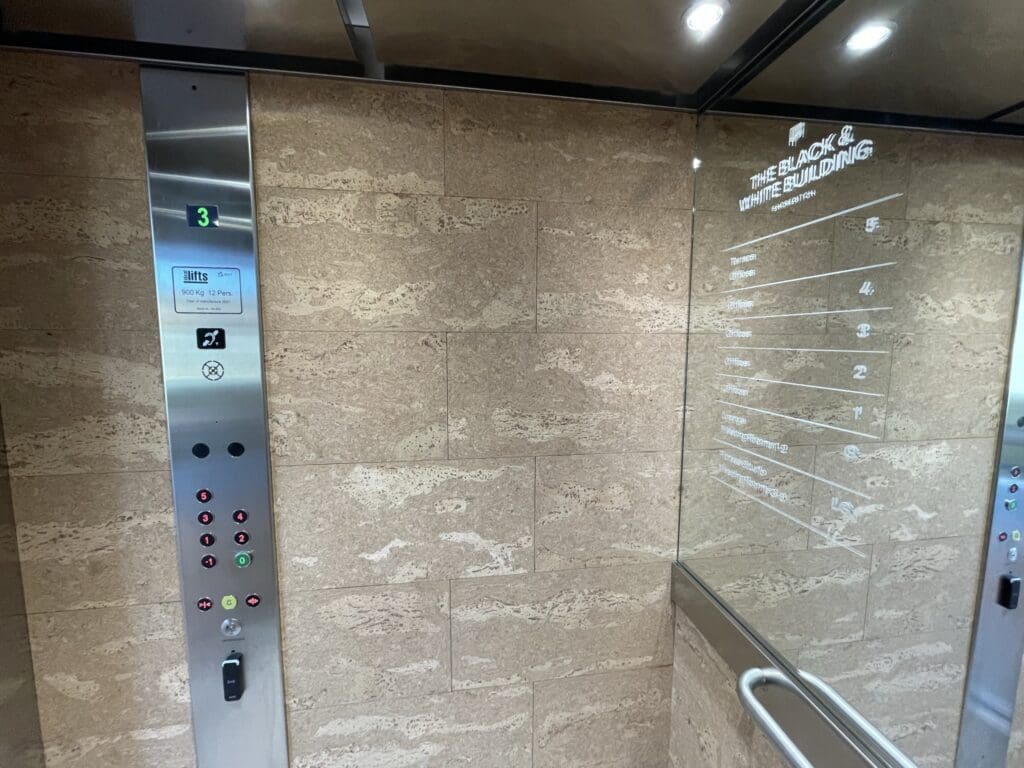
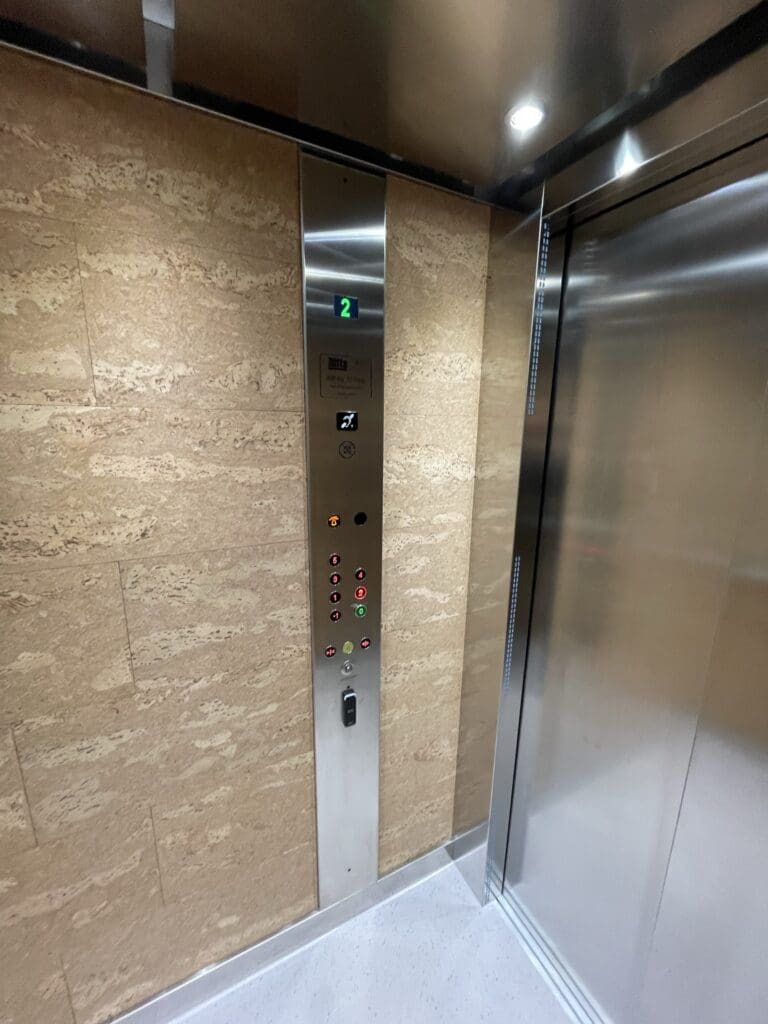
We were delighted to be specified for the lifts in this ground-breaking project.

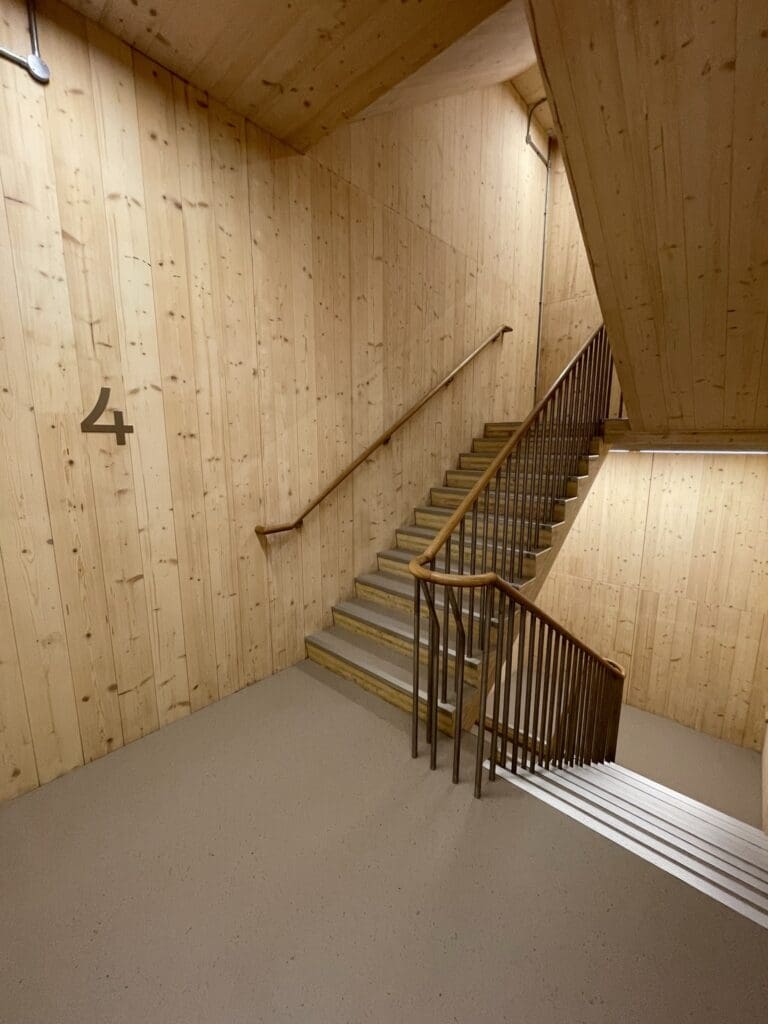
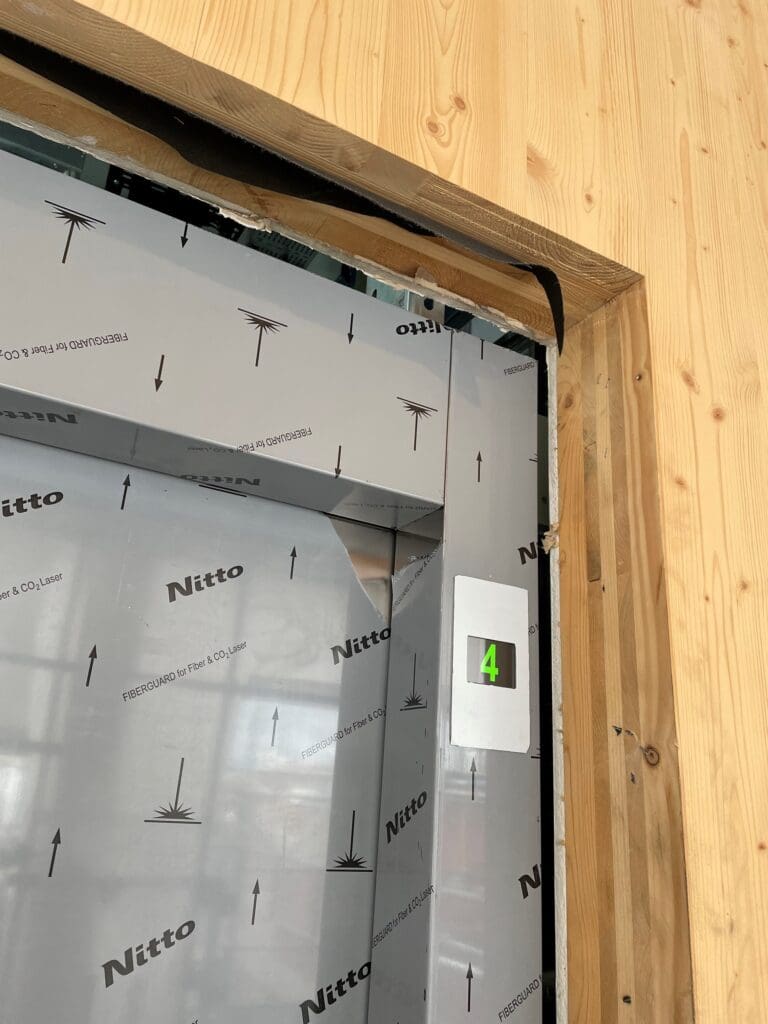
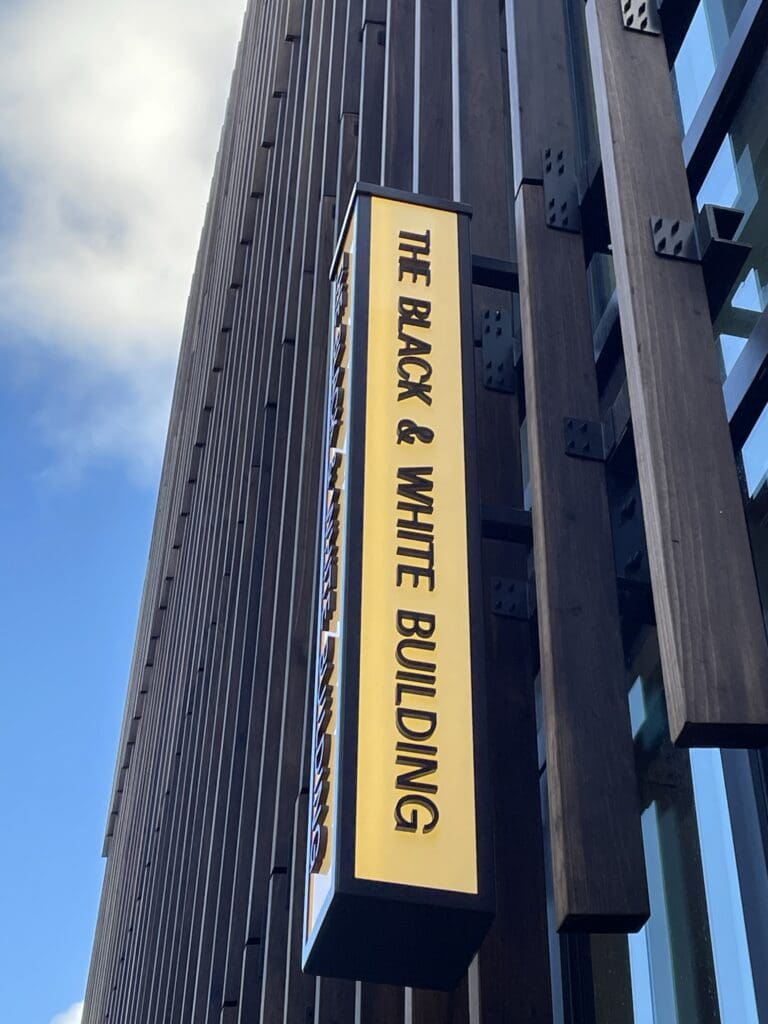
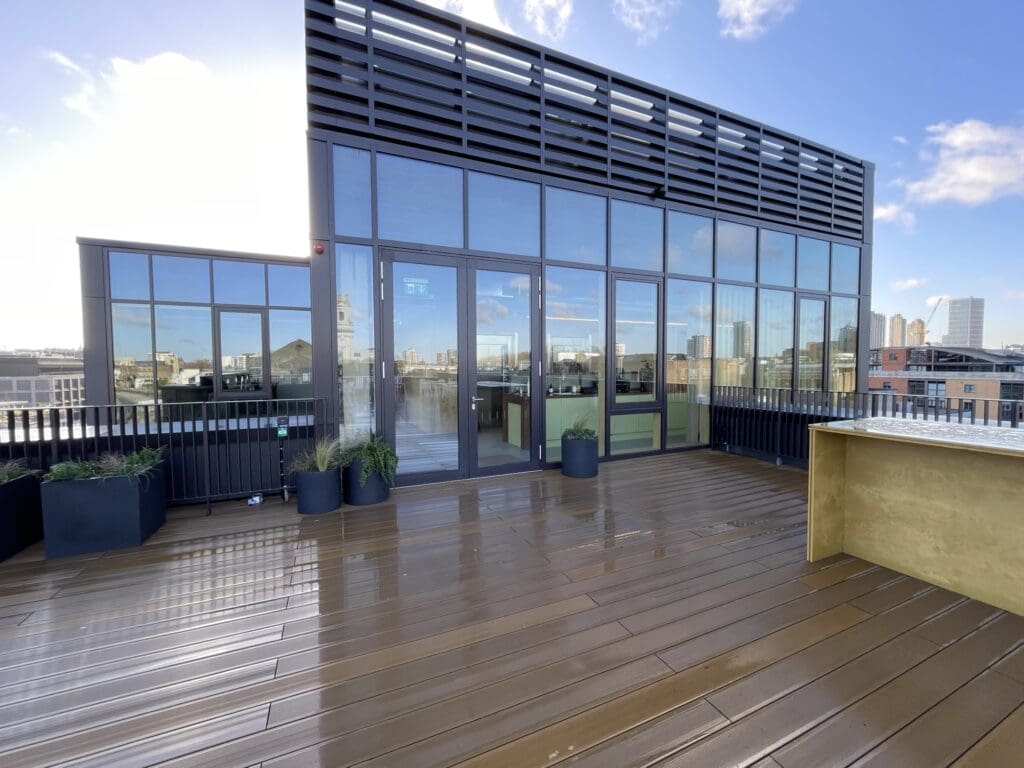
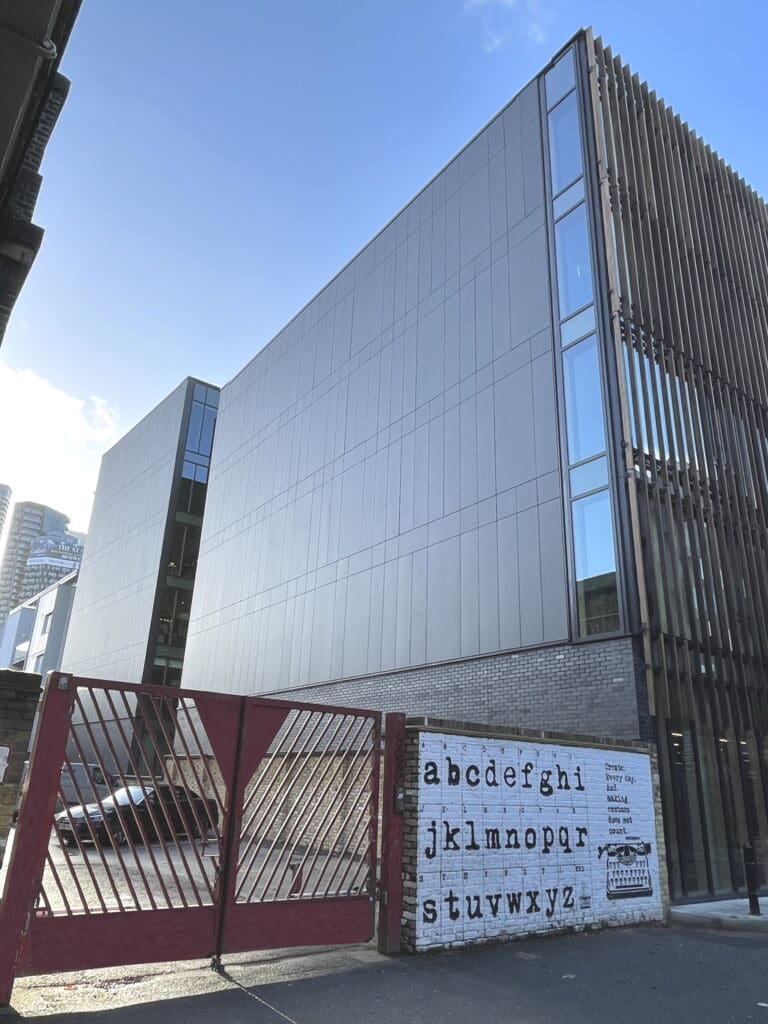
London’s tallest mass-timber office building, standing at 17.8m tall, 5/6 stories high. The building uses 4 different types of engineered timber: A laminated veneer lumber (LVL) frame, cross-laminated timber (CLT) floor slabs and core, tulipwood solar shading and glulam curtain walling.

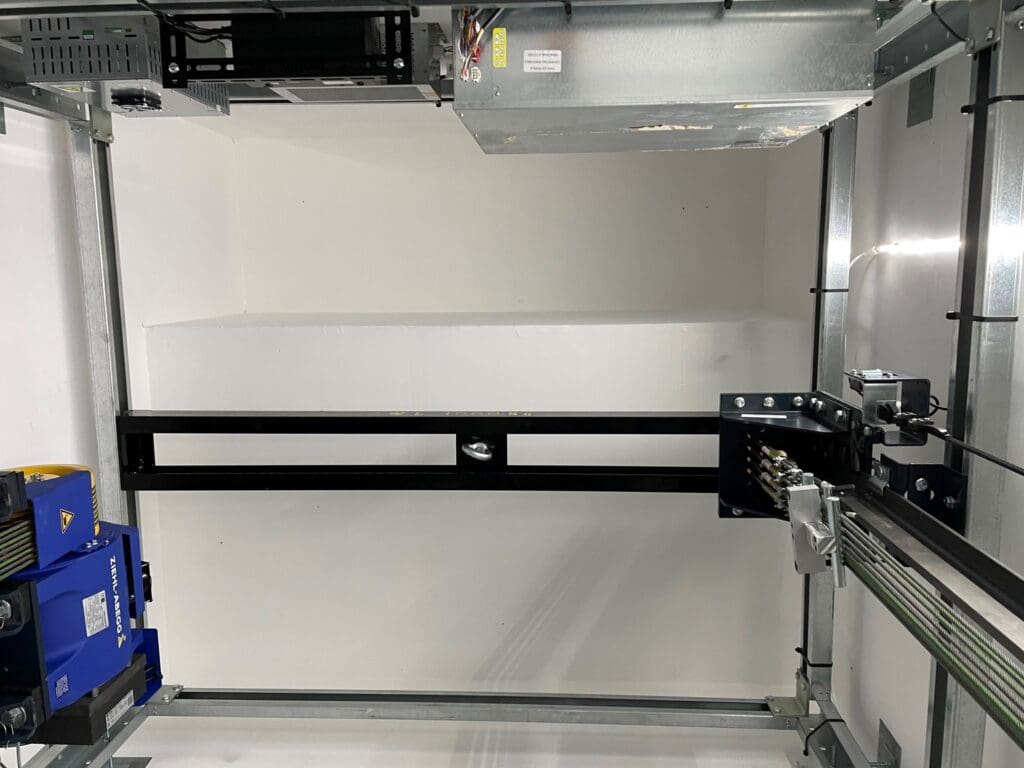
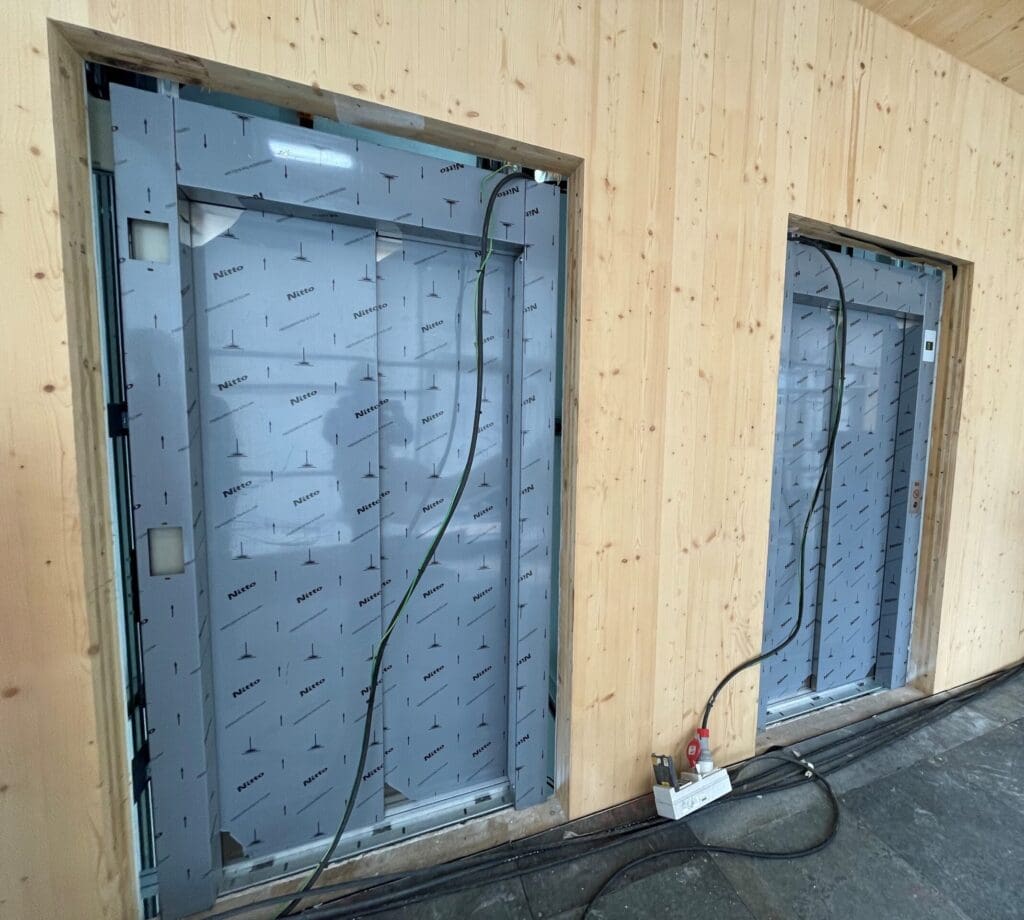
The professional team approached us, the UK industry leader in installing lifts in timber buildings due to a potential lateral shaft movement of up to 10-15mm. A solution had to be engineered to avoid the lifts going out of service due to inaccurate landing door alignment with the lift car. Our Ideal Lifts Frame System was designed and installed to enable both lateral and vertical adjustment to ensure the lifts remained in service, an issue experienced by other non-specialist lift contractors. The frame also negated the need for a concrete lift shaft.

The existing 4-storey Victorian building was replaced by a 6-storey co-working office block, making the most out of the constrained plot which has other buildings on 3 sides. The Ideal Lifts Frame System comes pre-manufactured which reduces deliveries to site, contributing to carbon savings.

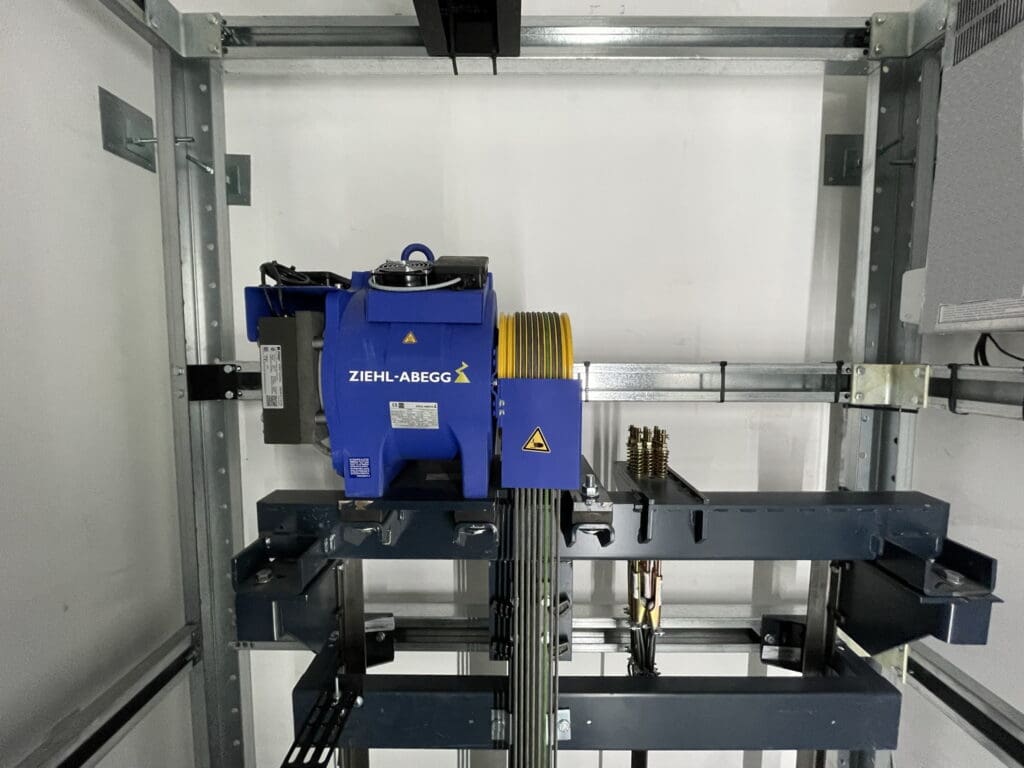
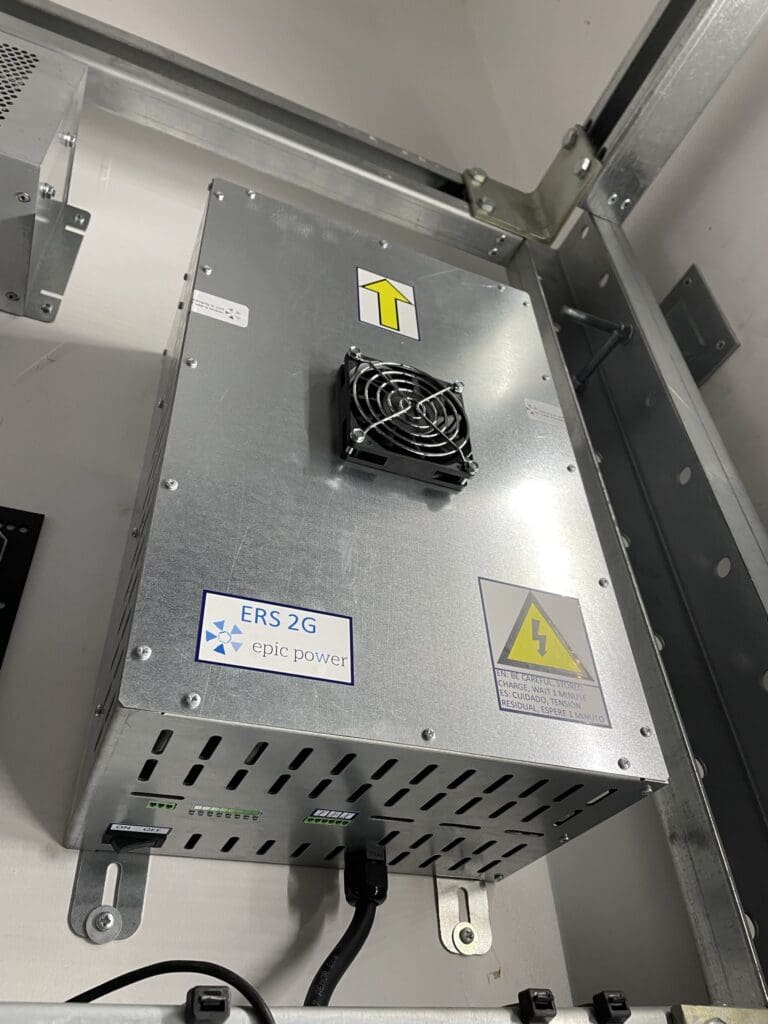
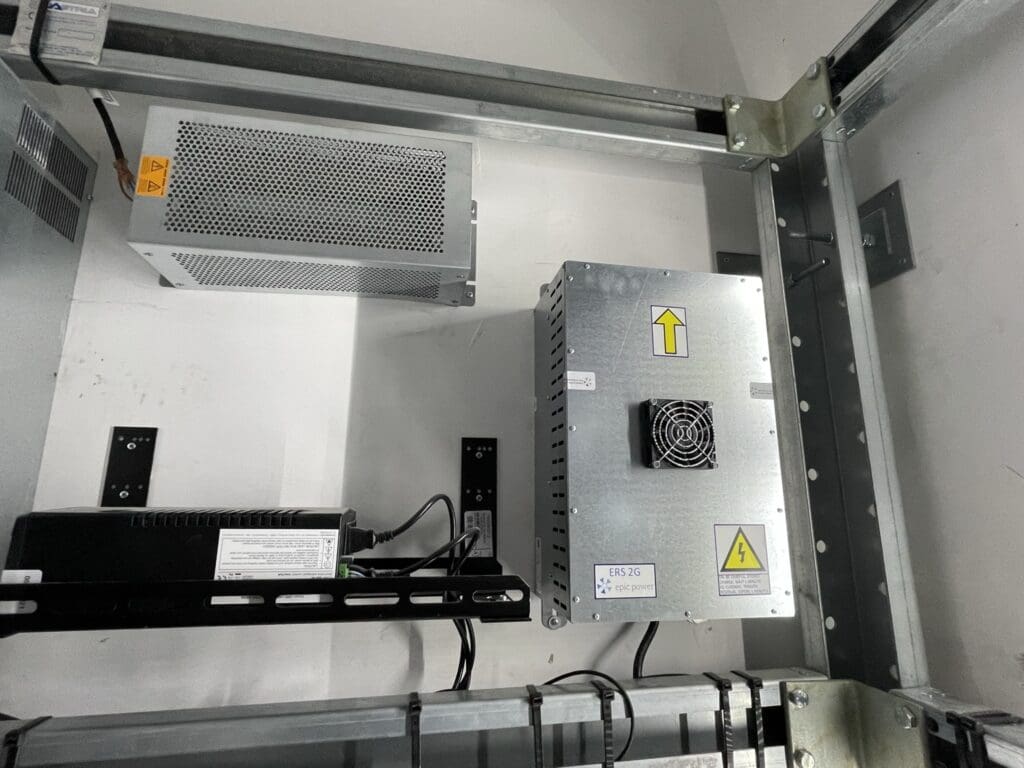
The building has achieved net zero in construction and use. Regenerative drives are included to each lift converting mechanical energy into reusable electrical energy.

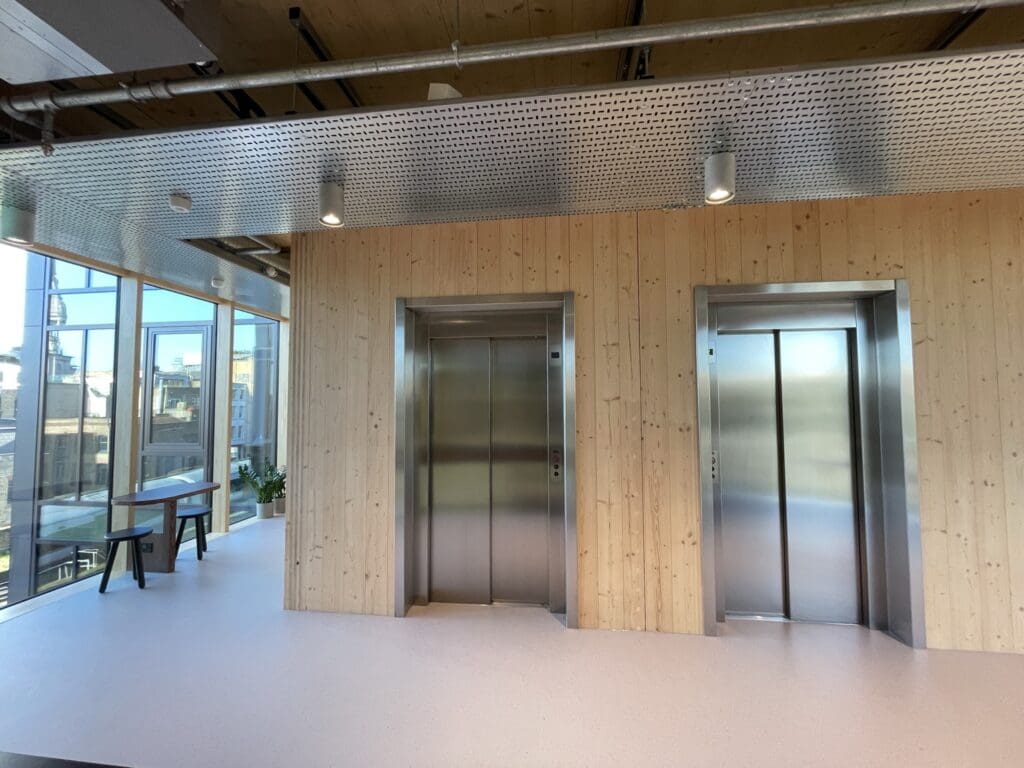
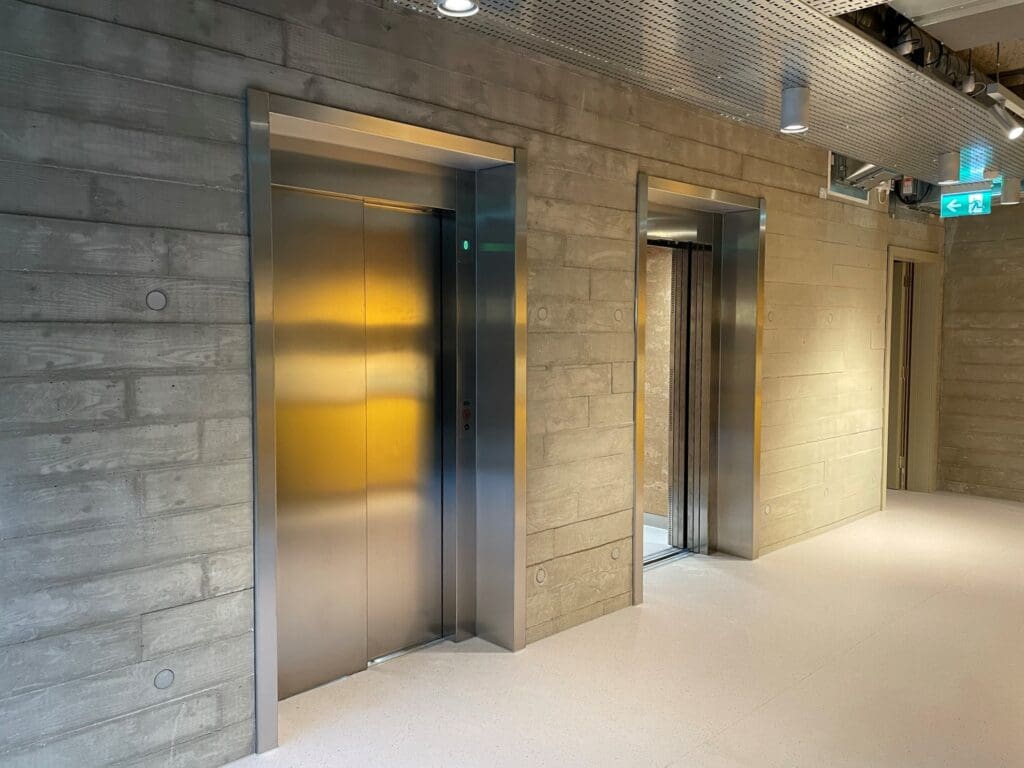
Ideal Lifts installed duplex lifts into the office building, stylish stainless-steel entrances were fitted to contrast with the timber building finish.

Read what the Guardian newspaper said about our lifts here.

Thank you for getting in touch!

One of our team will contact you shortly.